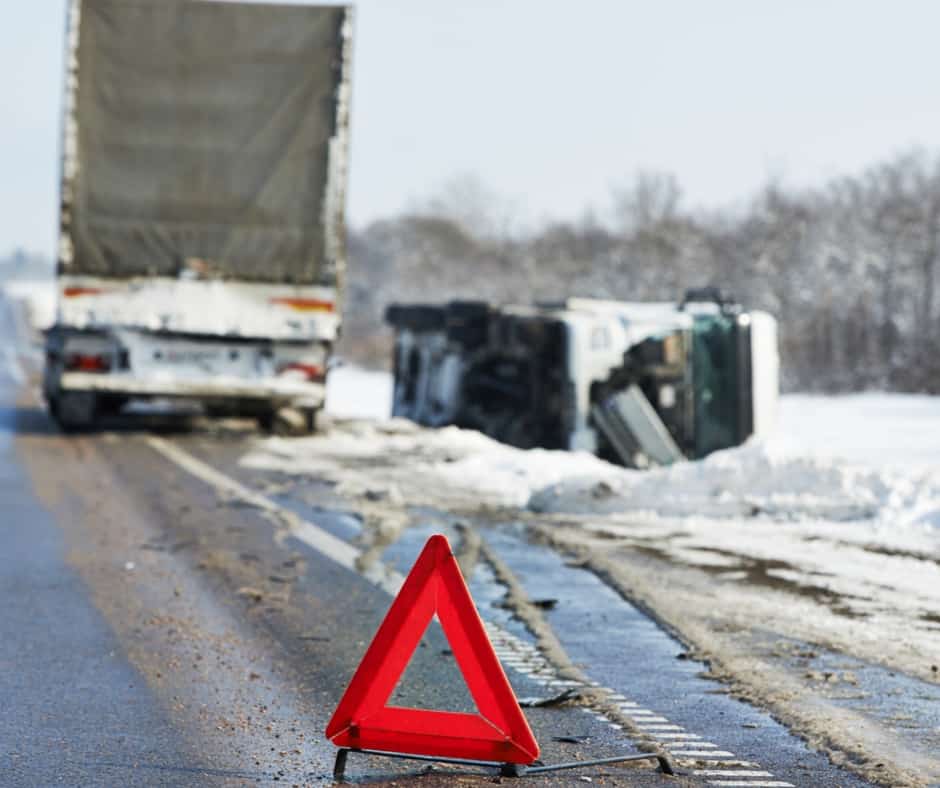
Accident Recovery Towing in Calgary
Collision Towing & Vehicle Recovery
Fast. Friendly. Affordable.

Accident Recovery and Collision Towing in Calgary
Need an accident tow truck in Calgary? Calgary Tow Truck connects you with independent operators for accident recovery services and collision towing. Give your exact location, describe the damage and name your preferred destination so the operator can confirm the equipment, availability and price.
For towing enquiries, call (587) 885-2326 day or night. Call 911 first if there is an emergency or anyone is in immediate danger.
Plan your tow: towing charges · where your car goes · request a quote.
Before You Authorize a Collision Tow
Confirm the quote
Ask for the recovery and towing charges before authorizing the job. Confirm whether waiting, special equipment, storage or a second trip would be additional.
Describe the vehicle damage
Tell the operator if wheels are damaged, the vehicle cannot roll or steer, or it is off the roadway. These details affect how it can be loaded and recovered.
Choose the destination
Give the receiving body shop’s name and address. Check that the shop can accept the vehicle, particularly after hours, before agreeing to the destination.
Check insurance arrangements
Ask your insurer what it covers and ask the operator whether insurance billing can be arranged for your claim. Coverage does not automatically mean direct payment is available.
Accident Recovery Services: Loading and Transport
Accident recovery is the work needed to reach and load a damaged vehicle; collision towing is its transport to an agreed destination. A car on an accessible road may need loading and transport only. A car in a ditch, on its side or unable to roll can need recovery work first. Describe both the damage and the position so the operator can assess the job.
Damaged cars and SUVs
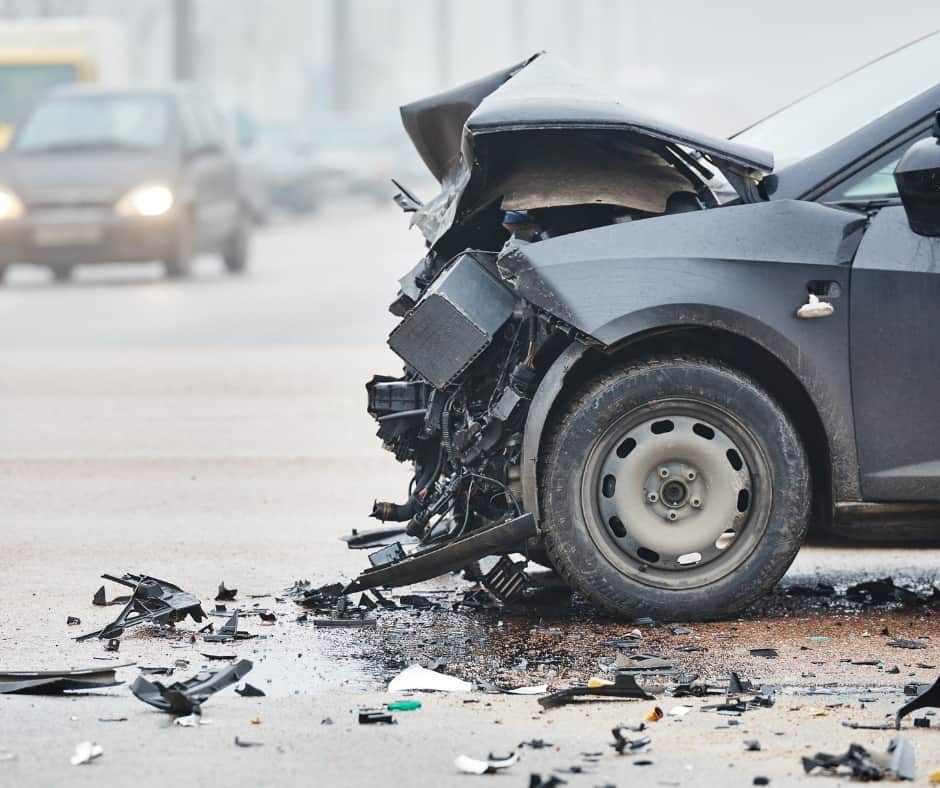
Describe damaged wheels, steering or bodywork, even if the vehicle still starts. Ask which loading method is suitable for the damage and drivetrain. Flatbed towing may be an option; the operator must assess how the vehicle can be loaded.
Rollovers
Say clearly that the vehicle has overturned. Recovery may need specialist equipment and coordination with responders; confirm that capability before booking.
Ditches and embankments
A vehicle below road level or away from firm ground may need winch-out recovery before transport. Describe the slope, surface and distance from the road.
Highway collisions
Give the highway, direction of travel and nearest exit. Tell the operator whether police are attending and whether the scene is ready for vehicle removal.
Trucks and trailers
Provide the vehicle type, approximate size, trailer and load details. Ask about suitable heavy towing equipment and availability for the specific recovery.
Hazards at the scene
Mention visible fluid leaks, smoke, loose parts or other hazards without approaching an unsafe vehicle. Emergency responders and the operator determine the appropriate next steps.
What to Do After a Crash in Calgary
Keep clear of moving traffic and follow emergency responders’ directions. Do not enter live lanes to collect vehicle parts or place warning equipment.
Tell emergency services if anyone is hurt or in immediate danger. Towing assistance is not a substitute for an emergency response.
Call 911 for an emergency, including a serious-injury collision or immediate danger. For non-emergency reporting, follow the police instructions linked below.
When it is safe, exchange driver, vehicle and insurance details. Keep any photographs or notes you can obtain without putting yourself at risk.
Follow the current Calgary Police collision reporting instructions for whether, where and how to report. Reporting requirements and online-report eligibility depend on the circumstances. Calgary Police lists a non-drivable vehicle as a reason to contact police by phone. Use 911 for an emergency, or 403-266-1234 for a non-emergency; follow any scene-release directions before arranging removal.
Ask your insurer about the destination and claim requirements. Then confirm the towing operator’s quote, payment arrangements and receiving location.
Keep the operator’s contact details, receipt and delivery address. Confirm how you can retrieve belongings and whether storage or later transport charges apply.
Where to Tow Your Car After an Accident
Your options may include a body shop, mechanic or storage location that agrees to accept the damaged vehicle. Confirm the destination before loading, subject to police directions. If the shop is closed, ask how delivery, keys and later collection will work. Recovery from the scene and a later transfer can be separate jobs.
Body shop or mechanic
Provide the exact body shop or mechanic address. Confirm its opening hours, acceptance of damaged vehicles and any after-hours key arrangements.
Storage while you decide
If the vehicle cannot go straight to a shop, confirm the storage location, access hours, daily charges and release process before authorizing storage.
Police-directed impound
If authorities require impound, follow their directions and the lot’s release process. See our Calgary impound guide for planning your next steps.
Accident Recovery Across Calgary and Surrounding Areas
For a collision in Downtown, NW, NE, SW or SE Calgary, share the nearest intersection and the side of the road. On Deerfoot Trail or Stoney Trail, include the direction of travel and nearest exit. For a location outside Calgary, provide the exact pickup point and destination so the operator can confirm coverage and an arrival estimate.

Help the Operator Locate the Collision
Use the road name, direction of travel and nearest intersection or exit to describe your location. On a divided road, being on the opposite carriageway changes access. These Calgary routes are useful location references:
Request an Accident Tow Truck: Details to Have Ready
These details help an operator assess your accident recovery request before the truck travels to the scene:
- Location and access: road, direction, nearest exit or landmark, and whether the vehicle is in a lane, shoulder, lot or ditch.
- Emergency response: whether police or emergency services are attending and any instructions they have given about removal.
- Vehicle condition: visible damage, whether it rolls and steers, and whether keys are available. Do not test an unsafe vehicle.
- Vehicle and destination: make, model, approximate size and intended delivery address; mention a trailer or unusual load.
Towing Charges After an Accident in Calgary
Accident towing charges depend on the recovery work and the transport required. Ask for an itemized quote, including any separate recovery, distance, waiting or storage charges. Before authorizing the tow, confirm who will pay and what changes could require a revised quote.
Pickup and destination
Give both pickup and delivery addresses, and ask whether distance charges are included. If the destination changes, request an updated total.
Recovery and equipment
Winching, damaged wheels, difficult access or specialist recovery equipment may change the work required. Describe those conditions before the quote is agreed.
Insurance authorization
Check approval, limits and any out-of-pocket payment with your insurer. Confirm insurance billing separately with the operator; it is not automatic for every collision.
Other charges to clarify
Ask whether waiting, storage, taxes or a later transfer are included. Our Calgary towing cost guide explains the questions to ask; your operator must confirm the actual quote.
What to Have Ready for Your Insurance Claim
Keep the details associated with the recovery together. Your insurer or repair shop can tell you which documents it needs.
Vehicle photographs
Save photographs already taken safely and note the vehicle’s condition before transport. Do not return to a hazardous scene for additional pictures.
Driver and claim details
Keep the other driver’s contact and insurance information, where available, alongside your own policy and claim details.
Police reference
Record the police file number if one is issued. Consult the Calgary Police collision reporting instructions for the reporting process.
Itemized tow receipt
Request an itemized receipt with the operator’s details, pickup and delivery locations, and agreed charges. Retain any payment or insurance authorization.
After the Tow: Your Next Steps
After the recovery, confirm where the vehicle was delivered and who can authorize its next move. This helps avoid confusion between the towing operator, storage location, insurer and repair shop.
Confirm delivery
Confirm the receiving shop or storage location has the vehicle and the correct contact details for you.
Keys and belongings
Ask the receiving location how keys and personal belongings can be collected. Follow its access and identification requirements.
Follow up on the claim
Send the receipt and requested documents to your insurer. Confirm repair approval and any further transport arrangements directly with it.
Plan any second tow
If another tow is needed, confirm release permission, collection hours, destination acceptance and a separate quote before booking. For a later move without collision recovery, see car transport to a mechanic and describe the damage when booking.
Calgary Accident Recovery FAQ
How do I book accident recovery towing in Calgary?
Call (587) 885-2326 with the collision location, vehicle details, damage and destination. Calgary Tow Truck connects you with an independent operator who can confirm availability, equipment and a quote.
How soon can a truck reach the collision?
Ask for an estimate for your exact location. Traffic, weather, scene access and recovery equipment affect arrival time; there is no fixed 30-minute guarantee.
Can a car be towed if its wheels are damaged?
Explain which wheels are damaged and whether the car can roll or steer. The operator must assess the equipment and loading requirements before confirming the recovery.
Where should I tow my car after an accident?
A body shop, mechanic or storage location may be suitable if it can accept the damaged vehicle. Confirm the address, opening hours and delivery arrangements before loading. Follow police directions if they determine where the vehicle must go.
Will my insurer pay the towing company directly?
Ask your insurer about coverage and authorization, then ask the operator whether direct billing can be arranged. Confirm any payment you must make yourself before the tow.
What if the vehicle is in a ditch or has rolled over?
Describe its position, the terrain and whether emergency responders are attending. Specialist recovery may be needed; availability and equipment must be confirmed for that job.
Do I need to report my car accident in Calgary?
Check the current Calgary Police collision reporting instructions. Reporting depends on the circumstances; call 911 first for an emergency or immediate danger.
What towing charges should I check after an accident?
Confirm recovery work, transport distance, waiting, storage, taxes and any later transfer. Ask for an updated quote if the destination or required work changes.
What is the difference between accident recovery and towing?
Recovery makes the vehicle accessible and ready for loading; towing transports it to an agreed destination. A vehicle in a ditch, overturned or unable to roll may need recovery work before the tow. Confirm both parts of the job and their charges with the operator.
Need Collision Towing in Calgary?
Call with your location, vehicle condition and preferred destination. Confirm the recovery equipment, arrival estimate and price with the independent operator before booking.
- ✓ Contact us day or night
- ✓ Describe damage and scene access
- ✓ Confirm quote and insurance arrangements
- ✓ Agree on the receiving location