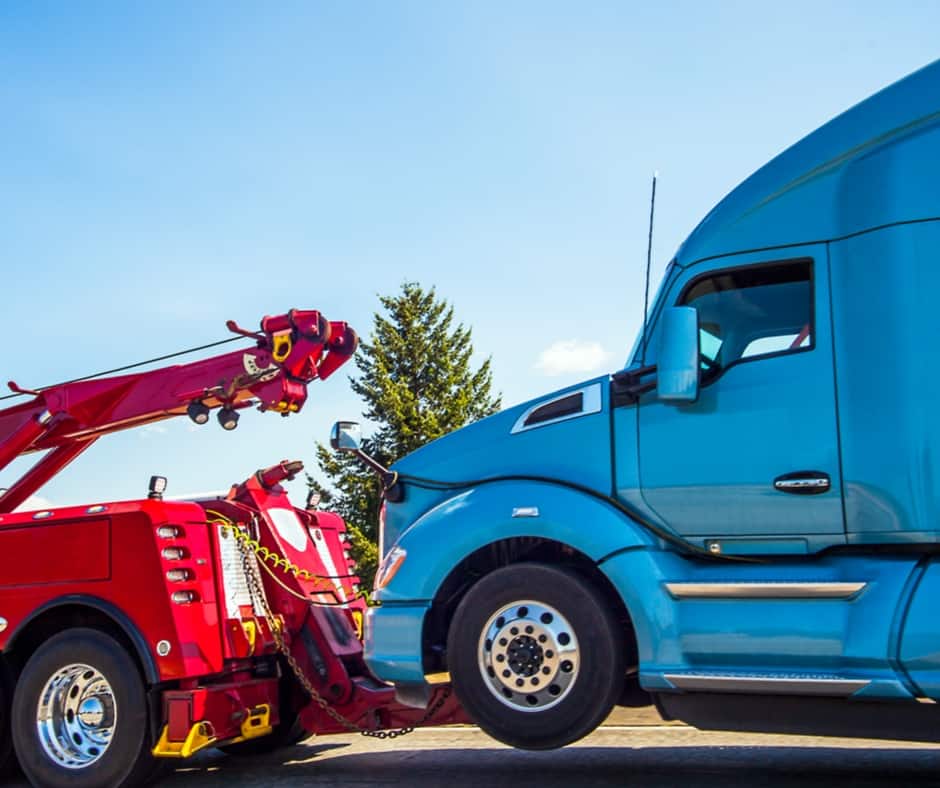
Heavy-Duty Truck Towing in Calgary
Trucks, Buses and Large Vehicles
Fast. Friendly. Affordable.

Heavy-Duty Towing and Big Rig Recovery in Calgary
Need heavy-duty towing in Calgary for a disabled truck, big rig, bus or large RV? Calgary Tow Truck connects you with independent operators. Describe the complete vehicle and load so an operator can assess the required equipment and confirm availability.
A loaded tractor-trailer, locked wheels or a vehicle off the roadway can change the recovery plan. Give the estimated weight and dimensions, axle or trailer details, damage and site access before a unit is assigned.
Call (587) 885-2326 day or night for a heavy towing request. If you need roadside assistance for a heavy-duty truck, explain the fault and ask what service is available; on-site mechanical repair is not implied by a towing request.
Before You Request Heavy Towing
Check equipment timing
Ask for the current estimate for the equipment your vehicle needs; there is no fixed 30-minute arrival guarantee.
Confirm availability
Contact us day or night and confirm the operator can accept the specific heavy-vehicle request.
Choose the receiver
Name the truck repair centre, yard or other receiver and check it can accept the vehicle.
Describe the load
Explain whether the trailer is loaded and what it carries. Cargo handling or a separate load move must be assessed and quoted.
Check payment arrangements
Confirm coverage and authorization with your insurer, and ask the operator separately about insurance billing.
Name the authorizing contact
Provide a driver or fleet contact who can approve the work, destination and any changes.
Heavy Vehicle and Load Details to Provide
Heavy towing requirements depend on the vehicle’s actual weight, dimensions, configuration and condition. A vehicle name alone is not enough to select equipment or establish whether a job can be accepted.
For a commercial combination, include tractor and trailer details, load information and whether wheels, steering or brakes prevent movement. For machinery, explain its attachments and loading access.
For an oversized or unusual load, ask about equipment transport and route requirements. Confirm the operator’s capacity and the proposed transport arrangement before dispatch.
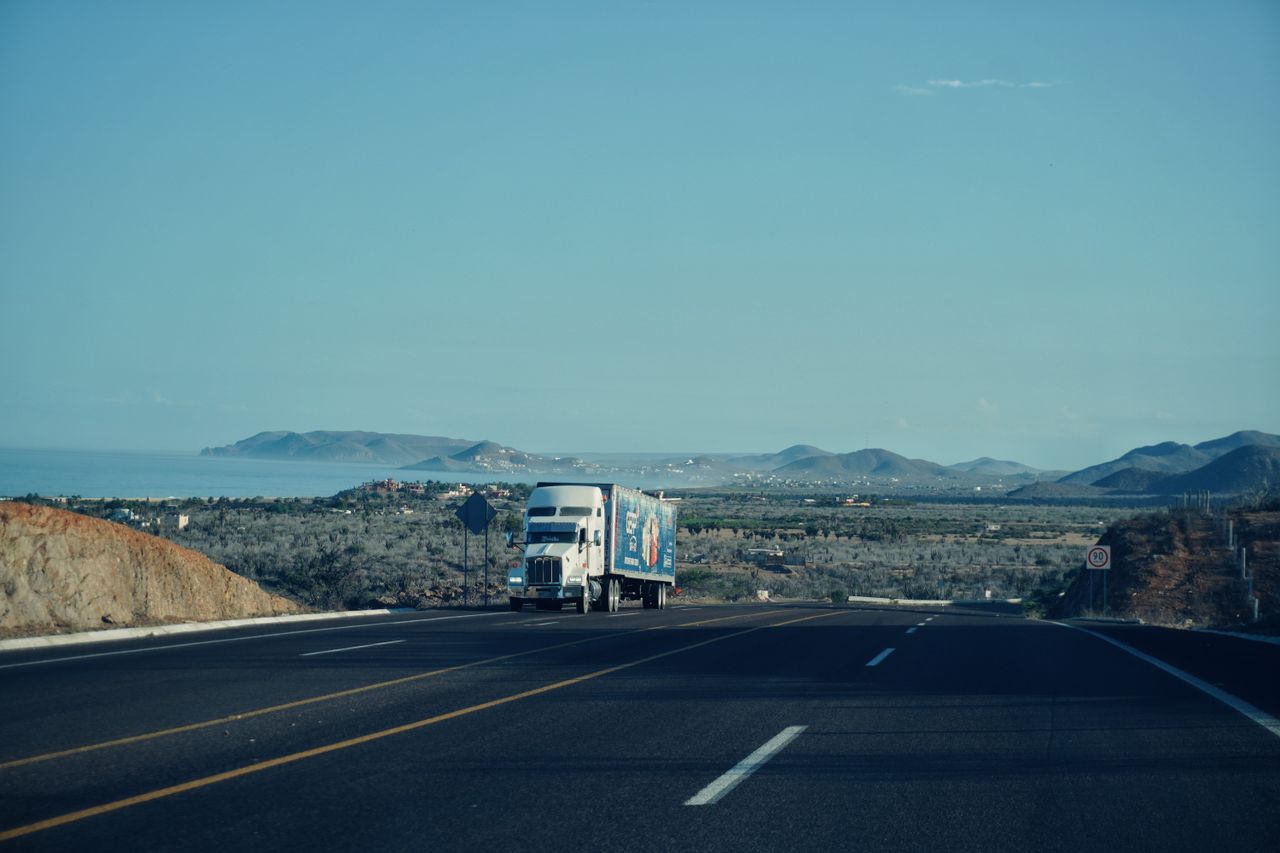
Semi-trucks and trailers
Give the tractor model, trailer type, axle details and whether it is loaded or empty.
Buses and coaches
Provide dimensions, passenger situation and wheel or clearance restrictions; passenger transport needs separate arrangements.
RVs and fifth-wheels
Give the RV class, length, height and weight, or the fifth-wheel or trailer details.
Dump trucks and mixers
Describe the body, load and any equipment that changes the vehicle’s height or recovery needs.
Box trucks and delivery vehicles
State the loaded weight if known, cargo restrictions and delivery-yard access.
Construction machines
Provide machine weight, dimensions and attachments when requesting equipment transport.
Agricultural equipment
Describe the machine and implements, with their width, weight and site access.
Industrial loads
Identify the equipment and load, and disclose any hazardous material or special site restrictions.
Heavy Recovery: Explain the Scene Before Dispatch
Recovery from a collision or difficult position is different from a road tow. Explain the scene accurately so specialist capability can be assessed. Call 911 for immediate danger and follow emergency responders’ directions.
Overturned vehicles
Say that the vehicle is overturned and describe its position from a safe location. Specialist recovery and scene coordination may be required.
Jackknifed combinations
Explain the tractor and trailer positions and whether traffic lanes are blocked. Follow responders’ directions about removal.
Load shifts or spills
Disclose shifted cargo or a spill. Recovery, cargo handling and hazardous-material response are separate capabilities to confirm.
Ditches and soft ground
For ditch or off-road recovery, describe the slope, ground conditions and distance from firm access.
Vehicles that cannot roll
Report locked wheels, damaged axles or a vehicle that cannot steer. Do not attempt to release brakes or move it to test the condition.
Collision scenes
For collision recovery, provide damage details and any police or site instructions before transport is arranged.
Match Heavy Towing Equipment to the Job
The equipment must match the complete job, not only the vehicle’s name. Confirm the proposed setup and capacity with the operator; no particular rotator or wrecker capacity is promised here.
Road towing
A disabled vehicle on firm, accessible ground may need a road-towing setup assessed for its weight and configuration.
Specialist recovery
A rollover, ditch or unstable position can need a different recovery plan and specialist equipment before transport.
Trailer transport
A large machine or non-rolling load may need a transport trailer. Deck capacity, dimensions and loading arrangements require confirmation.
Additional support
Cargo transfer, extra units or lifting support are additional requirements to discuss rather than assume are included.
How to Arrange a Heavy-Vehicle Tow
A clear request helps an operator decide whether the job fits its equipment and what further assessment is needed.
Provide vehicle and load details
Give the exact location, vehicle and trailer details, load, approximate dimensions and condition. Name the person authorized to approve work.
Assess access and scene
Describe traffic exposure, ground conditions, obstacles and access restrictions. The operator may need to assess the scene before confirming the complete recovery plan.
Agree on scope and charges
Agree on the recovery and towing scope, quote basis and any cargo-handling requirements. Ask how additional work will be authorized.
Arrange delivery
Confirm the receiving yard or repair centre, opening hours and space to unload. Retain the operator’s contact, delivery confirmation and itemized invoice.
Keep the Commercial Towing Arrangements Clear
These arrangements help a driver, fleet office, towing operator and receiving yard work from the same information.
Equipment confirmation
Request confirmation that the proposed equipment suits the load and recovery conditions.
Site permission
Tell the operator about permits to enter a yard, escort requirements on site and the contact who can grant access.
Billing authorization
Confirm who pays, any purchase-order requirement and whether insurer authorization is needed.
Contact and updates
Provide an alternative contact if the driver’s phone is unavailable. Agree on how delays or scope changes will be communicated.
Receiving-yard acceptance
A tow does not reserve a repair bay or storage space. Confirm acceptance with the receiving facility before departure.
Locate the Truck on Calgary Roads or at a Work Site
For a disabled truck on Deerfoot Trail, Stoney Trail, Glenmore Trail or the Trans-Canada, give the direction of travel, nearest exit and whether a lane is blocked. At an industrial site, include gate and access instructions. Confirm availability for Calgary or surrounding municipalities with the operator; emergency traffic control must follow the responsible authorities’ directions.
Oversized Loads: Confirm Permits and Route Requirements
Permit and route requirements depend on the loaded towing configuration, dimensions, weight and roads used. The carrier must check the applicable rules before movement; a general webpage cannot confirm a particular load is permitted.
Provincial permits
Alberta’s oversize and overweight permit guidance explains provincial requirements. Confirm who obtains any required authorization and whether its cost is included.
Permit conditions
Ask the carrier to confirm the conditions attached to its permit, including required markings or travel restrictions. Requirements are specific to the move.
Pilot or escort arrangements
If pilot or escort vehicles are required, confirm responsibility, availability and charges before movement.
Municipal route access
Calgary’s over-dimensional load guidance covers city requirements. Confirm the complete route, including municipal roads and site access.
Heavy Towing Cost in Calgary: Agree on the Scope
Ask for a job-specific heavy towing quote or a clear rate basis where the full recovery cannot be established beforehand. Confirm how additional time, equipment or changed conditions will be approved.
Vehicle and cargo scope
Provide the combined vehicle and load details. Confirm whether the quote covers the tractor, trailer and cargo or only part of the combination.
Recovery and extra equipment
Ask whether recovery, extra units, cargo transfer and loading are separate charges.
Travel, waiting and storage
Give the exact destination and receiving hours. Clarify travel, waiting, after-hours work and storage rather than assuming a local journey has one standard price.
Permits and total charges
Confirm any permit, escort and applicable tax charges. The Calgary towing cost guide provides general questions; it is not a heavy-recovery price list.
Fleet and Commercial Towing Requests
For a business vehicle, provide the fleet contact, unit number and any purchase-order or invoice instructions. Ask the operator about account eligibility and payment terms; priority dispatch or consolidated billing is not automatic. See fleet towing requests for related arrangements.
Heavy Towing in Calgary FAQ
Questions about this service? Call (587) 885-2326 with your vehicle and location details.
What information is needed for heavy-duty towing?
Provide the vehicle and trailer type, loaded weight and dimensions if known, wheel or brake condition, location and destination. Identify the person authorized to approve recovery and charges.
Can I request big rig towing in Calgary?
Yes, you can discuss the request with an independent operator. Describe the tractor, trailer and load so it can confirm suitable equipment, availability and whether the job can be accepted.
Do you provide roadside assistance for heavy-duty trucks?
Explain the specific problem and truck details. Ask what assistance is available and included; a heavy towing request does not automatically include mobile mechanical repairs or parts.
Can a loaded trailer be moved with the truck?
The operator must assess the complete combination and cargo. A separate trailer or load move, transfer or additional equipment may be required and should be quoted explicitly.
What if the truck cannot roll or its brakes are locked?
Tell the operator before dispatch. Do not attempt brake-release or recovery work yourself; the vehicle condition changes the equipment and loading assessment.
Can I request recovery for a rollover or jackknife?
Explain the position, load, damage and any emergency responders at the scene. Specialist recovery capability and scene permission must be confirmed before work is arranged.
Who arranges oversized-load permits?
Confirm responsibilities with the carrier. The required approvals and conditions depend on weight, dimensions, route and configuration; provincial and municipal requirements may both apply.
Can a heavy vehicle be towed to another Alberta city?
Ask about long-distance towing with the full vehicle, load and route details. Equipment, permits and receiving-yard arrangements must be confirmed for the journey.
Does commercial insurance pay for recovery?
Check your policy, authorization and payment limits with the insurer. Ask the operator separately whether direct billing is available and what you must pay yourself.
How quickly can heavy towing arrive?
Request an estimate for the equipment needed at your location. Weather, scene access and suitable-unit availability affect timing; a fixed arrival promise would not suit every heavy recovery.
Request Heavy Towing in Calgary
Call with the vehicle, trailer, load, location and condition. Confirm recovery capability, availability, the quote basis and the receiving destination with the independent operator.
- ✓ Give vehicle, weight and load details
- ✓ Explain damage, brakes and site access
- ✓ Confirm equipment and arrival estimate
- ✓ Agree on destination and payment