
Towing Insurance Billing in Calgary
Confirm Coverage and Payment Arrangements
Fast. Friendly. Affordable.

Towing Insurance Billing in Calgary
Does insurance cover towing after an accident? The answer depends on your policy, the circumstances and your insurer’s authorization. Calgary Tow Truck connects you with independent towing operators; the insurer decides coverage and the operator confirms its payment arrangements.
Direct insurance billing and reimbursement are different. With an accepted direct-billing arrangement, the operator submits charges to the insurer. With reimbursement, you pay the operator and submit supporting documents for the insurer to assess. Neither arrangement guarantees that every charge is covered.
Call (587) 885-2326 with your location and towing needs. Confirm coverage with your insurer and ask the operator about direct billing before assuming there is nothing to pay at pickup.
Before You Agree to Insurance Billing
Keep service authorization, insurance coverage and payment arrangements clear.
Coverage decision
Ask your insurer which towing and recovery expenses are eligible under your policy and this incident.
Direct billing acceptance
Ask the operator and insurer whether they will accept direct billing for this particular job.
Your share of the cost
Confirm deductibles, limits, exclusions and any amount payable by you before or after service.
Approved destination
Check whether the chosen repair shop, storage location and any later transfer are authorized.
Itemized records
Request a receipt showing the service, date, route, operator and individual charges.
Urgent recovery
Follow emergency responders’ directions. As soon as practical, contact the insurer and retain the service records.
How to Prepare a Towing Insurance Claim
Contact your insurer or broker with the incident details and ask what authorization and documents are required. Record the claim reference and the advice given about towing, recovery, storage and destination. A claim number alone does not confirm that all expenses will be paid.
Keep the operator’s details, agreed scope, itemized invoice and payment receipt. Where safe, retain relevant condition photos and any incident reference. Submit documents through the insurer’s designated channel and keep copies for follow-up.
If a charge is not covered, ask the insurer to explain the policy basis and clarify the outstanding amount with the operator. Do not assume a reimbursement date or promise of direct payment before the insurer has assessed the claim.
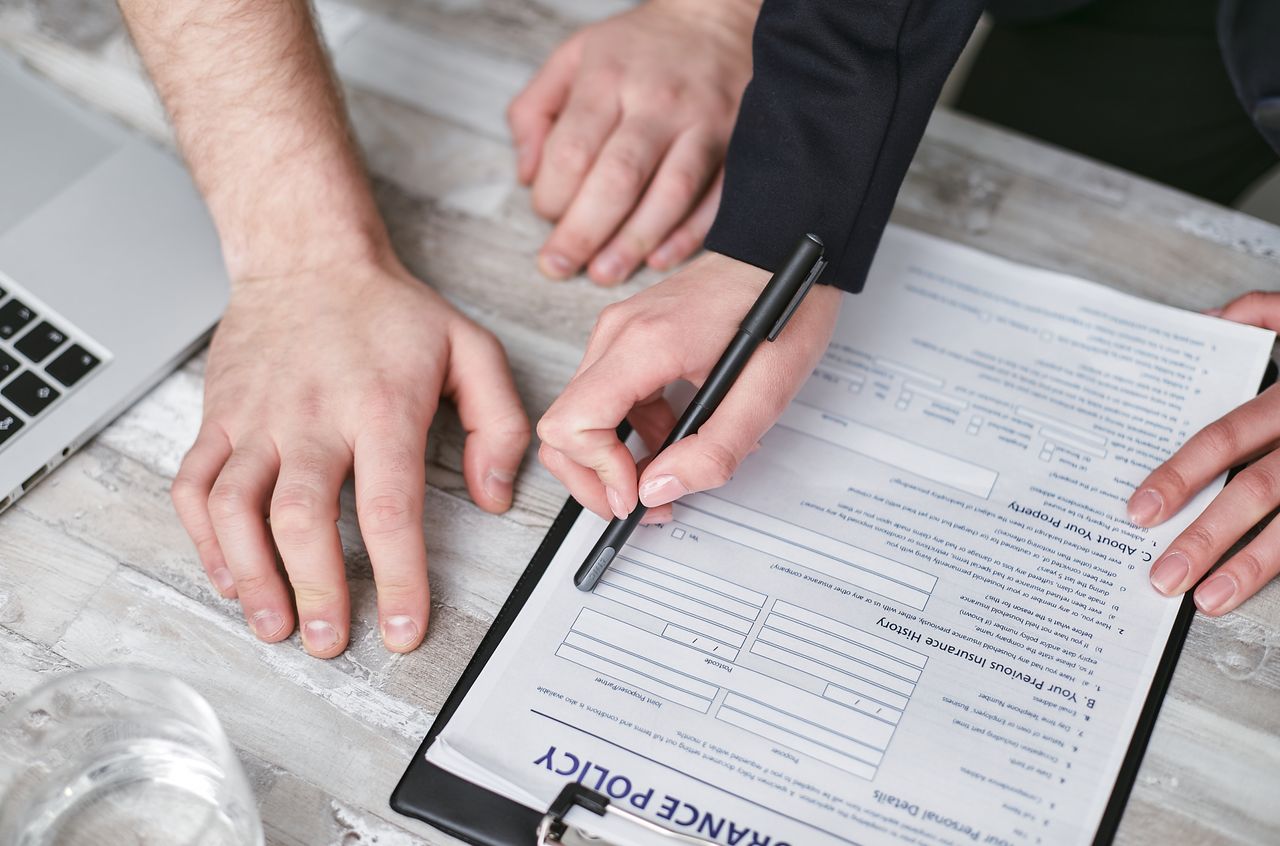
Direct Billing or Reimbursement: Agree on the Process
Use this sequence to avoid confusion about who authorizes work and who pays.
Ask the insurer
Explain the incident and proposed destination. Request instructions about approval and eligible expenses.
Ask the operator
Confirm whether direct billing is available and what information is needed.
Agree on service
Clarify recovery, transport, storage and any second tow as separate items where applicable.
Keep the documents
Retain the quote, authorization, invoice and any payment receipt.
Follow up on payment
Ask who will contact you if the insurer declines or only partly pays a charge.
Does Car Insurance Cover Towing in Alberta?
Do not assume that every auto policy includes every kind of tow. Ask about the coverage that applies to your situation.
After an accident
Ask whether scene recovery and transport are covered under the claim and whether prior authorization or a specific destination is required.
After theft or other damage
Describe the event and vehicle condition. The insurer must assess the relevant coverage and permitted expenses.
After a breakdown
A roadside benefit or emergency-service endorsement may apply, but limits and exclusions matter. Check before relying on reimbursement.
Alberta’s collision and insurance guidance explains contacting your insurer and checking coverage. Your policy and claim decision determine what is payable.
Towing Charges to Confirm With Your Insurer
Request approval for the actual work involved, rather than treating towing as one unlimited benefit.
Recovery at the scene
Explain winching, difficult access or additional equipment separately from onward transport.
First destination
Confirm the authorized shop, home or storage address before moving the vehicle.
Storage
Ask about eligible storage, daily charges, time limits and who authorizes continued storage.
A second tow
A later transfer from a compound to a repair shop may need separate approval.
Commercial recovery
For a truck, trailer or load, identify which units and expenses the commercial policy covers.
Additional charges
Ask about waiting, after-hours service, release charges and applicable taxes.
Confirm Direct Billing With Your Own Insurer
Provide your insurer’s name to the operator and ask whether the proposed billing arrangement is accepted for your claim. An insurer appearing on another towing website is not evidence of a billing agreement here.
Ask about your own insurer and claim rather than assuming a billing agreement applies. If direct billing is unavailable, ask the insurer what receipts it needs to consider reimbursement and confirm how you will pay the operator.
Deductibles, Reimbursement and Claim Questions
Ask the insurer for an explanation specific to your policy.
Deductible and limits
Confirm whether a deductible applies and the maximum eligible towing expense. Do not compare a tow price with a guessed deductible.
Premium implications
Ask your insurer or broker how the incident and claim may affect your policy. A general towing page cannot predict your premium.
Payment timing
Confirm the submission requirements and expected assessment process. No fixed reimbursement deadline is promised here.
What to Have Ready for a Towing Claim
Keep sensitive policy information for the insurer or the operator handling the authorized job.
Claim reference
Insurer name, policy details requested by the insurer, and a claim number if one has been issued.
Vehicle and incident
Make, model, plate, location, condition and a short account of what happened.
Service and destination
Requested recovery, exact destination, receiving contact and any authorization instructions.
Documents
Quote, itemized invoice, receipt and relevant incident references or photos where safe.
After a Collision: Safety, Reporting and Towing
Follow emergency responders’ directions and contact emergency services for immediate danger or injury. Reporting requirements depend on the circumstances; do not rely on a single damage threshold as the complete rule.
Use accident recovery towing for scene and vehicle details, and check Alberta’s official collision guidance for reporting and insurance steps.
Fleet and Commercial Insurance Billing
A company vehicle needs a clear approval contact as well as insurance details.
Authorized contact
Give the fleet manager, unit number and person permitted to approve work and extra charges.
Truck, trailer and cargo
State whether the request involves a complete combination, load transfer or only one vehicle.
Invoice requirements
Ask about purchase orders and invoice details. Consolidated billing or credit terms require agreement with the operator.
Policy and territory
Confirm vehicle eligibility, route, recovery and storage limits with the insurer.
See fleet towing arrangements and heavy-duty recovery for the operational details. Insurance approval does not itself confirm equipment availability.
Insurance Billing for Towing in Calgary: FAQ
Questions about this service? Call (587) 885-2326 with the details of your request.
Does insurance cover towing after an accident?
It depends on the policy, incident and insurer’s decision. Ask about scene recovery, transport destination, limits and authorization before assuming the full bill will be paid.
What is direct insurance billing for towing?
It is an accepted arrangement in which the operator submits charges to the insurer. Confirm acceptance with both parties; coverage does not automatically establish direct billing.
Will I pay anything upfront?
Possibly. Confirm payment arrangements, deductibles and non-covered charges with the operator and insurer. This page does not promise zero upfront payment.
Does car insurance cover a breakdown tow?
Check for an applicable roadside benefit or emergency-service endorsement. Eligibility, limits, exclusions and documentation vary by policy.
Is a claim number enough to authorize towing charges?
No. Ask what services, destination and charges the insurer has approved, and confirm the operator’s payment requirements.
Are vehicle storage and a second tow covered?
Ask separately about each expense, including storage duration, rate limits and approval for transfer to a repair shop.
What if direct billing is unavailable?
Confirm how you will pay the operator, retain the itemized invoice and receipt, and ask the insurer about reimbursement requirements. Reimbursement is subject to its assessment.
Will a towing claim change my premium?
Ask your insurer or broker about your specific incident and policy. No general promise about premium effects can be made here.
Which insurers can be billed directly?
The operator and insurer must confirm the arrangement for the individual claim. There is no verified promise of direct billing to every insurer.
Can a fleet vehicle use insurance billing?
Ask the insurer about the commercial policy and identify who can approve service. Confirm unit, trailer, cargo, recovery and billing requirements separately.
Discuss Towing and Insurance Billing
Call with the vehicle, location and destination. Confirm the towing scope and payment arrangements with the independent operator, and obtain coverage instructions from your insurer.
- ✓ Confirm vehicle and recovery needs
- ✓ Confirm insurer authorization
- ✓ Confirm operator payment terms
- ✓ Confirm itemized records
