What to Do After a Car Accident in Calgary: Towing, Insurance & Recovery Steps
The moments following a car accident are overwhelming, confusing, and stressful. Your heart races, your hands shake, and dozens of urgent questions flood your mind—Is everyone okay? Should I call 911? What do I tell the other driver? Who handles the towing? Will my insurance rates increase? In these critical first minutes after a collision, the actions you take directly impact your safety, legal protection, insurance claim outcome, and financial liability.
Calgary sees thousands of vehicle collisions annually, with Alberta reporting over 95,000 accidents in recent years. Whether you’re dealing with a minor fender-bender in a parking lot or a serious highway collision, understanding the proper post-accident procedures protects your health, preserves your legal rights, and ensures smooth insurance processing. This comprehensive guide walks you through every step—from immediate safety actions at the scene to coordinating towing services, filing insurance claims, and working with repair facilities. By following this roadmap, you’ll navigate the accident recovery process with confidence and avoid costly mistakes that could jeopardize your claim.
Immediate Actions at the Accident Scene
The first minutes after a collision require calm, deliberate action to ensure everyone’s safety and protect your interests.
Priority 1: Ensure Safety and Check for Injuries
Before anything else, assess the immediate situation:
- Stop immediately: Never leave an accident scene—leaving is illegal in Alberta and carries serious criminal penalties
- Turn off your ignition: Prevent fire risk from damaged fuel systems
- Activate hazard lights: Alert approaching traffic to the incident
- Check yourself first: Assess your own condition before helping others
- Check all passengers: Look for injuries, difficulty breathing, or signs of shock
- Check other involved parties: Approach other vehicles to assess driver and passenger conditions
If anyone is injured, unconscious, or trapped in their vehicle, call 911 immediately. Do not attempt to move injured people unless they face immediate danger (fire, oncoming traffic). Even seemingly minor injuries warrant medical evaluation—whiplash, concussions, and internal injuries may not present obvious symptoms initially.
Move to Safety if Possible
If the vehicles are driveable and no one is seriously injured:
- Move vehicles to the roadside, shoulder, or parking area
- Get everyone out of active traffic lanes to prevent secondary collisions
- Position vehicles where they don’t block emergency vehicle access
- If vehicles cannot be moved, evacuate everyone to a safe location away from traffic
In Alberta, you’re legally required to move vehicles from traffic lanes if they can be safely moved and no serious injuries occurred. Failing to clear roadways when possible can result in fines.
Set Up Warning Devices
If the accident scene poses ongoing hazards:
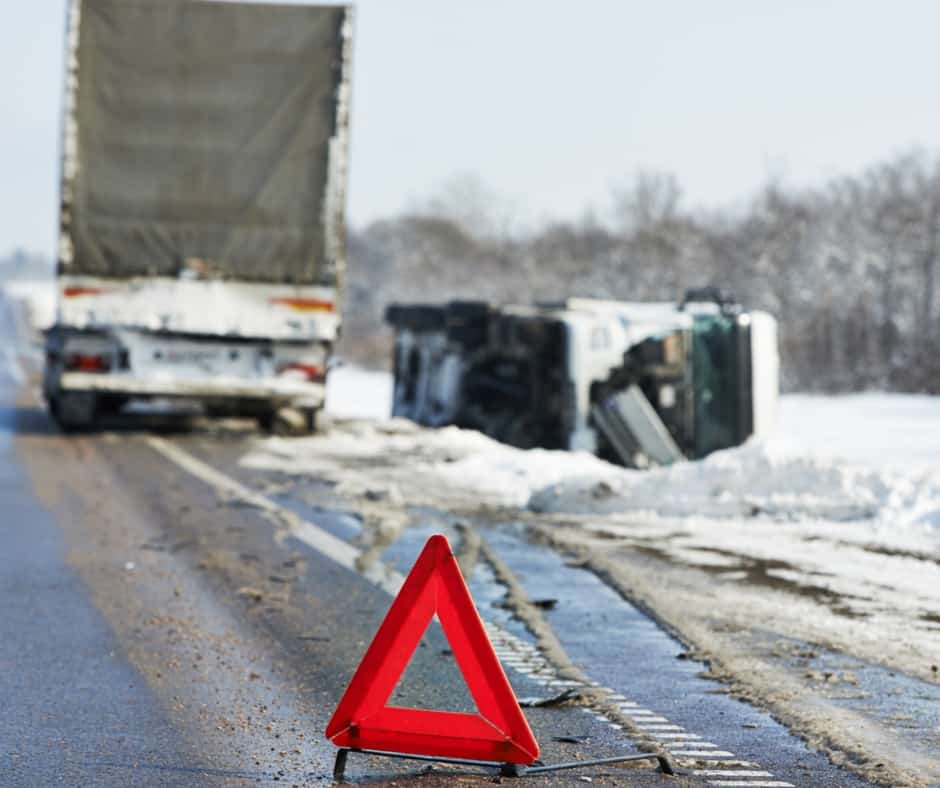
- Deploy reflective triangles or road flares if you have them
- Keep hazard lights activated on all vehicles
- Designate someone to warn approaching traffic if necessary
- Stay visible—don’t crouch between vehicles where drivers can’t see you
Calgary’s winter conditions make accident scenes particularly dangerous. Ice, reduced visibility, and higher speeds mean secondary collisions are a serious risk. Get everyone to safety immediately.
When to Call 911 vs. Non-Emergency Police
Understanding reporting requirements ensures you comply with Alberta law and create proper documentation for insurance claims.
Call 911 Immediately If:
Emergency services should be dispatched for:
- Any injuries: Even if they seem minor—shock can mask serious trauma
- Vehicles blocking traffic: That cannot be safely moved
- Hazardous materials: Fuel leaks, chemical spills, smoke or fire
- Impaired drivers: If you suspect the other party is intoxicated
- Aggressive behavior: Threatening conduct or violence from other parties
- Hit and run situations: If another driver fled the scene
Police will arrive, secure the scene, document evidence, administer first aid if needed, and file an official collision report.
Report to Collision Reporting Centre If:
For less severe accidents, Alberta uses Collision Reporting Centres:
- No injuries occurred
- All vehicles are driveable
- Total damage exceeds $2,000 (combined, all vehicles)
- The accident occurred within city limits
Calgary’s Collision Reporting Centre locations allow you to file reports without waiting for police at the scene. You have 24 hours to report qualifying accidents.
No Police Report Required If:
Very minor incidents don’t require official reports:
- No injuries to anyone involved
- Total damage is under $2,000 (all vehicles combined)
- Only vehicles involved (no pedestrians, cyclists, or property damage)
- All parties are properly insured
However, you should still exchange information with other parties and notify your insurance company even for minor accidents. Some insurers require notification of all incidents regardless of damage level.
Special Reporting Situations
Always report to police if the accident involves:
- Government vehicles (city buses, police cars, etc.)
- Uninsured drivers
- Pedestrians or cyclists
- Private property damage (fences, buildings, light poles)
- Suspected criminal activity
Information to Collect at the Scene
Thorough documentation protects your interests during the insurance claims process and any potential legal proceedings.
Information from Other Drivers
Exchange these essential details with all involved parties:
Driver information:
- Full legal name
- Phone number and email address
- Home address
- Driver’s license number and issuing province
Vehicle information:
- License plate number and province
- Vehicle make, model, year, and color
- Vehicle Identification Number (VIN) if accessible
Insurance information:
- Insurance company name
- Policy number
- Broker or agent contact information if available
Be cooperative but factual when exchanging information. Do not discuss fault, make admissions of responsibility, or speculate about what happened. Simple statements like “I’m sorry” can be interpreted as fault admission in insurance proceedings.
Witness Information
Independent witnesses provide crucial third-party accounts:
- Names and contact information of anyone who saw the accident
- Their location and vantage point during the collision
- Brief note about what they witnessed
- Whether they’re willing to provide statements to insurance or police
Witnesses often leave scenes quickly. Collect their information immediately before they depart.
Scene Documentation
Your smartphone is your most valuable documentation tool:
Photographs to capture:
- All vehicle damage from multiple angles
- License plates of all involved vehicles
- Overall accident scene showing vehicle positions
- Skid marks, debris, or road damage
- Traffic signs, signals, or lane markings
- Weather and road conditions
- Visible injuries (with permission)
- Timestamp and location data (most phones embed this automatically)
Written notes to record:
- Time and date of accident
- Exact location (street address, intersection, or GPS coordinates)
- Weather conditions (rain, snow, ice, fog, clear)
- Road conditions (dry, wet, icy, potholed)
- Traffic signals and signs visible at the scene
- Your account of how the accident occurred
- Statements made by other drivers
This documentation becomes invaluable if disputes arise about fault determination or damage extent. Insurance adjusters and legal representatives rely heavily on scene evidence.
Arranging Towing Services After an Accident
If your vehicle cannot be safely driven after a collision, professional towing becomes necessary. Understanding your options and rights prevents exploitation during a vulnerable moment.
You Have the Right to Choose Your Tow Company
Many drivers don’t realize they control towing decisions:
- You are not obligated to use the first tow truck that arrives
- Police or property owners cannot force you to use specific companies
- You can call your preferred towing provider
- You can request your insurance company’s recommended service
- You have time to make informed decisions unless the vehicle poses immediate hazards
Some tow truck operators monitor police scanners and arrive uninvited at accident scenes. While their quick response may seem helpful, you’re under no obligation to use their services. Predatory towing operations sometimes charge excessive rates, take vehicles to inconvenient storage yards, or pressure you into unnecessary repairs.
Calling for Professional Accident Towing
When you need reliable, honest towing service after an accident, call Calgary Tow Truck at (587) 885-2326. Our accident recovery specialists provide:
- Transparent pricing: Upfront quotes with no hidden fees or surprise charges
- Insurance-friendly documentation: Detailed receipts and photos for claim filing
- Destination flexibility: We’ll transport your vehicle to your preferred repair shop, home, or storage facility
- Damage assessment: Professional evaluation of whether flatbed or wheel-lift towing is appropriate
- 24/7 emergency response: Available any time accidents occur
- Proper equipment: Flatbed trucks for severely damaged vehicles to prevent additional harm
Flatbed vs. Wheel-Lift for Accident Vehicles
Damaged vehicles often require specific towing methods:
Flatbed towing is essential for:
- Vehicles with frame damage or bent components
- Cars that won’t roll due to wheel or suspension damage
- Front-end collisions affecting steering systems
- Leaking fluids that would drip during wheel-on-ground towing
- Luxury or high-value vehicles requiring maximum protection
- All-wheel drive vehicles (standard requirement, accident or not)
Wheel-lift may be appropriate for:
- Minor rear-end impacts with driveable front ends
- Simple bumper damage with no mechanical issues
- Vehicles that roll normally but shouldn’t be driven due to safety concerns
When in doubt, request flatbed service. The minimal cost difference is insignificant compared to preventing additional damage that could complicate your insurance claim. For more details, see our complete guide to flatbed towing services.
Where to Tow Your Vehicle
Consider these destination options:
To a body shop/mechanic:
- Your regular trusted repair facility
- Insurance company’s preferred/approved shops
- Specialized collision repair centers
- Dealership service departments (especially for newer vehicles under warranty)
To storage:
- Your home if you have suitable parking
- Secure storage facilities if repairs will be delayed
- Insurance-approved storage yards
Avoid:
- Tow company’s own storage lots (often charge excessive daily fees)
- Shops you haven’t researched that the tow operator recommends (potential kickback arrangements)
- Locations far from your home or work without good reason
Your insurance adjuster will often provide recommendations for repair facilities. However, you have the legal right to choose any licensed repair shop you prefer.
Towing Documentation for Insurance
Obtain these documents from your towing provider:
- Itemized receipt showing all charges
- Tow truck company name, address, and contact information
- Driver’s name and license number
- Photos of your vehicle before and after loading
- Destination address where vehicle was delivered
- Mileage or distance towed
Most insurance policies cover reasonable towing expenses following accidents. Keep all documentation to submit with your claim.
Contacting Your Insurance Company
Prompt, accurate communication with your insurer protects your claim and ensures proper coverage.
When to Notify Your Insurer
Contact your insurance company as soon as reasonably possible after any accident:
- Immediately: If injuries occurred or damage is significant
- Within 24 hours: For all reportable accidents
- Before repairs begin: Most policies require pre-approval for work
- Even if not at fault: Your company needs to know about all incidents
Delayed notification can result in claim denials. Alberta insurance policies typically require “prompt” notification, though exact timeframes vary. Don’t wait to determine fault before calling—report first, investigate later.
Information Your Insurer Will Need
Have this information ready when you call:
- Your policy number
- Date, time, and location of accident
- Other driver’s information (name, insurance, contact details)
- Police report number if applicable
- Description of how the accident occurred
- Extent of damage to all vehicles
- Injuries sustained by any parties
- Witness information if collected
- Photos and documentation you gathered
Be honest and complete in your account. Inconsistent statements or omitted information can harm your claim later.
The Claims Process Overview
Understanding the typical claims timeline helps set realistic expectations:
- Initial report: You notify your insurer and receive a claim number
- Adjuster assignment: A claims adjuster is assigned to investigate your case (usually within 1-3 business days)
- Investigation: The adjuster reviews police reports, photos, statements, and may inspect your vehicle
- Fault determination: Alberta uses fault determination rules to assign responsibility percentages
- Damage assessment: An appraiser evaluates repair costs
- Repair authorization: If claim is approved, repairs are authorized
- Payment: Insurer pays repair shop directly or reimburses you, minus deductible
Simple claims may resolve in weeks; complex cases involving injuries or disputed fault can take months.
Understanding Fault Determination in Alberta
Alberta follows a fault determination system based on specific scenarios:
- Clear fault scenarios: Rear-end collisions, running red lights, illegal turns typically assign 100% fault to one party
- Shared fault situations: Some accidents result in split responsibility (e.g., 50/50, 75/25)
- No-fault benefits: Regardless of fault, Alberta drivers access accident benefits through their own insurance for medical expenses and income replacement
Fault determination directly affects:
- Whether you pay your deductible
- Future insurance premium rates
- Your ability to sue for damages beyond insurance coverage
If you disagree with fault determination, you have the right to dispute it through your insurer’s appeals process or by filing a complaint with Alberta’s Insurance Council.
Will Your Insurance Rates Increase?
This is one of the most common concerns after an accident:
- Not-at-fault accidents: Should not affect your rates, though insurer practices vary
- At-fault accidents: Will likely increase premiums at renewal
- Rate increase amount: Depends on severity, your driving history, and insurer policies
- Duration: At-fault accidents typically affect rates for 3-6 years
Simply reporting an accident doesn’t automatically increase rates—fault determination is the key factor.
Working with Insurance Adjusters
Your insurance adjuster investigates your claim and determines coverage. Understanding this relationship protects your interests.
What Insurance Adjusters Do
Adjusters serve several functions:
- Investigate accident circumstances and fault
- Review police reports and witness statements
- Inspect vehicle damage
- Assess repair costs and approve payment
- Coordinate with other insurers if multiple parties involved
- Determine coverage under your policy terms
Remember: your adjuster works for the insurance company, not for you personally. While most are professional and fair, their employer’s interest is minimizing claim payouts.
Communicating Effectively with Adjusters
Follow these best practices:
- Be honest and consistent: Don’t exaggerate or minimize facts
- Stick to facts: Describe what happened without speculation
- Don’t admit fault: Let the investigation determine responsibility
- Keep records: Document all conversations (dates, times, topics discussed)
- Request written confirmation: Get important decisions and approvals in writing
- Ask questions: If you don’t understand something, request clarification
- Don’t accept quick settlements: Ensure all damages are properly assessed before agreeing to payment
Dealing with the Other Party’s Insurer
If another driver was at fault, their insurance company may contact you:
- You’re not obligated to give recorded statements to other insurers
- Refer them to your own insurance company when possible
- Be cautious about signing releases or settlement agreements
- Consult your insurer or legal counsel before accepting offers
- Don’t accept early settlement offers without fully understanding your damages
The other party’s insurer is not looking out for your interests. They aim to minimize their company’s liability and payout.
Choosing a Repair Facility
Selecting the right body shop ensures quality repairs and smooth claim processing.
Your Right to Choose
Alberta law protects your freedom to select repair facilities:
- You can choose any licensed repair shop
- Insurance companies cannot force you to use specific shops
- You’re not required to get multiple estimates if you have a preferred facility
- Insurers must approve reasonable repair costs even at non-preferred shops
Insurance-Approved vs. Independent Shops
Insurance-approved facilities offer:
- Direct billing (you don’t pay upfront and file for reimbursement)
- Pre-negotiated labor rates familiar to insurers
- Streamlined claims processing
- Warranty coverage guaranteed by insurer
Independent shops offer:
- Potentially superior craftsmanship or specialization
- Relationships built on customer service rather than insurer contracts
- Flexibility in repair methods and parts selection
- More personalized attention
Either choice is valid. Select based on reputation, convenience, and your comfort level.
Questions to Ask Repair Shops
Before committing to a facility, inquire about:
- Are you certified/licensed for collision repair?
- Do you have experience with my vehicle make and model?
- What warranty do you provide on repairs?
- Will you use OEM (original manufacturer) parts or aftermarket alternatives?
- How long will repairs take?
- Do you handle insurance claims directly or require customer payment first?
- Can I see examples of previous work or customer references?
Understanding Repair Estimates and Approvals
The repair process typically follows this sequence:
- Initial estimate: Shop provides preliminary repair cost assessment
- Insurance approval: Adjuster reviews and approves covered repairs
- Teardown inspection: Once work begins, hidden damage may be discovered
- Supplemental estimates: Additional damage requires new adjuster approval
- Completion and payment: Final invoice reflects all approved work
Don’t be surprised if final costs exceed initial estimates—concealed damage is common in collisions.
Understanding Alberta Accident Benefits
Beyond vehicle repair coverage, Alberta insurance provides important accident benefits regardless of fault.
Medical and Rehabilitation Benefits
Alberta’s standard auto insurance includes accident benefits coverage:
- Medical expenses: Physiotherapy, chiropractic care, massage therapy, psychological counseling
- Income replacement: Partial wage replacement if injuries prevent work
- Rehabilitation services: Occupational therapy and retraining if needed
- Disability benefits: Long-term support for permanent injuries
These benefits are available through your own insurance company regardless of who caused the accident.
Minor vs. Serious Injury Classification
Alberta’s Minor Injury Regulation affects compensation:
Minor injuries include:
- Whiplash-associated disorders (WAD)
- Sprains and strains
- Soft tissue injuries
Minor injuries have a compensation cap (currently $5,994), though medical treatment is still covered.
Serious injuries include:
- Broken bones
- Traumatic brain injuries
- Spinal cord damage
- Permanent impairment
Serious injuries qualify for significantly higher compensation without caps.
Proper medical documentation is crucial for injury classification. Seek medical attention even if you feel fine initially—some injuries don’t present symptoms immediately.
When to Consider Legal Representation
Consult a personal injury lawyer if:
- You suffered serious injuries requiring extended treatment
- The accident caused permanent disability or impairment
- Fault is disputed and liability is unclear
- Multiple parties were involved complicating fault determination
- Insurance companies deny coverage or offer inadequate settlements
- You lost income due to injuries and need proper compensation
Many personal injury lawyers offer free consultations and work on contingency (no fees unless they recover compensation for you).
Common Post-Accident Mistakes to Avoid
These frequent errors can jeopardize your claim or legal position.
Leaving the Accident Scene
Leaving before exchanging information or reporting to authorities is illegal in Alberta. Hit-and-run is a criminal offense carrying severe penalties including:
- Criminal charges and potential jail time
- Automatic driver’s license suspension
- Vehicle impoundment
- Insurance claim denial
- Civil lawsuits from other parties
Always remain at the scene until you’ve fulfilled legal obligations.
Admitting Fault or Apologizing
Natural Canadian politeness can harm your claim:
- Saying “I’m sorry” can be interpreted as fault admission
- Statements like “I didn’t see you” establish negligence
- Speculation about causes affects fault determination
Be courteous but factual. Exchange required information without discussing who caused the accident.
Accepting Cash Settlements
Never accept money at the scene in exchange for not reporting the accident:
- Hidden damage may cost far more than offered cash
- Injuries may develop symptoms days later
- You lose insurance protection and legal recourse
- The other party may still file a claim against you
Always process accidents through proper insurance channels.
Delaying Medical Attention
Adrenaline masks pain after accidents. Seek medical evaluation even if you feel fine:
- Whiplash symptoms often appear 24-48 hours later
- Concussions may not present immediately
- Internal injuries can be life-threatening without obvious signs
- Delayed medical care weakens injury claims
Documentation of immediate medical care is crucial for injury claims.
Not Documenting the Scene
Failing to photograph damage and conditions is a major mistake:
- Memories fade and details become unclear
- Vehicles get repaired eliminating evidence
- Weather and road conditions change
- Witnesses become unavailable
Document everything thoroughly at the scene when evidence is fresh.
Posting on Social Media
Avoid discussing accidents online:
- Insurance adjusters and lawyers monitor social media
- Posts about activities contradict injury claims
- Photos can be used to dispute damage severity
- Statements can be taken out of context
Keep accident details private until claims are fully resolved.
Special Situations and Considerations
Certain accident scenarios require specific approaches.
Hit and Run Accidents
If another driver flees the scene:
- Note the vehicle’s license plate, make, model, color, and direction of travel
- Call 911 immediately to report the hit and run
- Look for witnesses who may have additional information
- Check for security cameras that may have recorded the incident
- Report to your insurance company’s hit-and-run claims department
Your own insurance typically covers hit-and-run damage under collision coverage (subject to deductible). Some policies include hit-and-run coverage that waives the deductible.
Accidents Involving Uninsured Drivers
If the at-fault driver lacks insurance:
- Report to police (uninsured driving is illegal)
- Notify your insurer immediately
- Your collision coverage pays for vehicle repairs (minus deductible)
- Your insurance may pursue the uninsured driver for reimbursement
- You may personally sue the uninsured driver for damages
Accidents in Parking Lots
Private property accidents have unique considerations:
- Police may not respond unless injuries occurred
- Fault determination can be complex (both parties often share responsibility)
- Security footage from businesses is valuable evidence
- Always exchange information and report to insurance
Single-Vehicle Accidents
If you crash without other vehicles involved:
- Report to police if damage exceeds $2,000
- Notify your insurance (collision coverage applies)
- Document road conditions, obstacles, or hazards that contributed
- Seek medical attention for any injuries
Winter Weather Accidents
Calgary’s harsh winters create specific challenges:
- Ice and snow complicate fault determination
- Document weather and road conditions extensively
- Alberta law still assigns fault even in bad weather
- Following too closely or driving too fast for conditions establishes fault
For comprehensive winter driving guidance, see our complete winter safety guide.
Frequently Asked Questions
Should I call my insurance company if the accident was my fault?
Yes, absolutely. Your insurance policy requires you to report all accidents regardless of fault. Failing to notify your insurer can result in claim denial and policy cancellation. Even if you’re at fault, your insurance company will handle the claim, coordinate repairs, and manage communication with other parties. That’s exactly what you pay premiums for.
How long do I have to report an accident to my insurance company?
Most Alberta insurance policies require “prompt” or “immediate” notification, typically interpreted as within 24-48 hours. Some policies specify exact timeframes in the contract. Don’t wait to determine fault or assess damage before calling—report first, investigate later. Delayed reporting can give insurers grounds to deny your claim.
Can I be charged if I leave the scene to go to the hospital?
If you’re seriously injured and transported by ambulance, this isn’t considered leaving the scene. However, if you’re able to communicate, you should provide your information to police or other parties before departing. If you drive yourself to the hospital after a reportable accident without fulfilling legal obligations, you could face hit-and-run charges. When in doubt, wait for police to arrive and explain the situation.
What if the other driver doesn’t have insurance?
Your own collision coverage pays for your vehicle repairs (minus deductible) regardless of the other driver’s insurance status. Your insurance company may then pursue the uninsured driver for reimbursement. For injuries, your accident benefits coverage applies. You can also personally sue the uninsured driver, though collecting judgments from uninsured individuals is often difficult.
Do I need a police report for insurance claims?
Not always. For minor accidents under $2,000 with no injuries, police reports aren’t required. However, having an official report strengthens your claim by providing independent documentation. Insurance companies accept claims without police reports if you have other evidence (photos, witness statements, collision centre reports), but reports are highly valuable for disputed fault situations.
How much does accident towing cost in Calgary?
Accident towing typically costs $150-$400 depending on vehicle size, damage severity, distance, and whether flatbed service is required. Most insurance policies cover reasonable towing expenses as part of accident claims. Keep all receipts and submit them with your claim. At Calgary Tow Truck, we provide transparent upfront pricing and work directly with insurance companies for seamless billing.
Can I drive my car home after an accident if it still runs?
Only if it’s safe and legal to do so. Your vehicle must have working headlights, taillights, and turn signals. Fluid leaks, deployed airbags, compromised steering, or significant structural damage make driving unsafe and potentially illegal. Calgary police can ticket you for operating an unsafe vehicle. When in doubt, have it towed. Our 24-hour towing service is available anytime for safe transport.
Will my insurance rates go up even if the accident wasn’t my fault?
Generally, not-at-fault accidents should not increase your premiums. However, insurer practices vary, and some do raise rates for drivers with multiple claims regardless of fault. Alberta’s insurance regulations limit rate increases for not-at-fault accidents, but check with your specific insurer about their policies. Shopping for insurance quotes after renewal can help if your rates increase unfairly.
What if I disagree with the fault determination?
You have the right to dispute fault findings. Start by requesting a detailed explanation from your adjuster about how fault was determined. Provide additional evidence supporting your version of events. If still unsatisfied, escalate to your insurer’s complaints department. You can also file complaints with the Alberta Insurance Council or seek legal advice about your options.
How long will my vehicle be in the shop for repairs?
Minor repairs (bumper replacements, small dents) may take 1-2 weeks. Moderate damage typically requires 2-4 weeks. Major collision repairs involving frame damage, extensive bodywork, or parts ordering can take 6-8 weeks or longer. Timelines depend on shop workload, parts availability, and whether hidden damage is discovered during repairs. Ask your chosen shop for a realistic estimate.
Calgary’s Trusted Accident Recovery Partner
When accidents happen, you need reliable, professional towing and recovery services you can trust during a stressful moment. Calgary Tow Truck provides compassionate, expert assistance when you need it most.
Our Accident Recovery Services
We deliver comprehensive post-accident support:
- 24/7 emergency response: Available any time, day or night, weekends and holidays
- Professional accident towing: Flatbed and wheel-lift services appropriate for all damage levels
- Insurance-friendly documentation: Detailed receipts, photos, and reports for seamless claims processing
- Flexible destination: Transport to your preferred repair shop, home, or storage facility
- Transparent pricing: Upfront quotes with no hidden fees or surprise charges
- Damage prevention: Proper loading techniques protect your vehicle from additional harm
- Direct insurance billing: We work with all major insurance companies
Complete Roadside Assistance
Beyond accident recovery, we provide full roadside support:
- Emergency battery boost for dead batteries
- Flat tire service and spare installation
- Vehicle winching and recovery from ditches and snow
- Lockout assistance when keys are trapped inside
- Fuel delivery for empty tanks
Service Area Coverage
We respond to accidents throughout:
- All Calgary neighborhoods (NW, NE, SW, SE, downtown)
- Major highways (Highway 1, Highway 2, Stoney Trail, Deerfoot Trail)
- Surrounding communities (Airdrie, Chestermere, Cochrane, Okotoks)
- Rural areas and access roads
Get Help Now: 24/7 Accident Recovery
If you’ve been in an accident and need professional towing and recovery services, we’re here to help right now.
24/7 Emergency Accident Recovery: (587) 885-2326
We’re ready to assist with:
- Immediate accident scene response
- Safe vehicle recovery and transport
- Insurance documentation and coordination
- Flatbed towing for damaged vehicles
- Transport to your preferred repair facility
- Professional, compassionate service during stressful moments
Don’t let predatory tow operators take advantage of you after an accident. Call Calgary Tow Truck for honest, professional service with transparent pricing and insurance-friendly practices. We’re here 24/7 to help Calgary drivers navigate the aftermath of collisions with confidence.
For more information about our complete range of services, visit our services page, or learn more about Calgary Tow Truck and our commitment to serving the Calgary community.
Save our number now: (587) 885-2326 — Available 24/7 for emergency accident recovery and towing.
Note: All prices mentioned in this article are provided for general reference and informational purposes only. These prices are not fixed and may vary depending on facts, market conditions, location, time, availability, or other relevant factors. Actual prices may change without prior notice. Readers are advised to verify details independently before making any decisions.