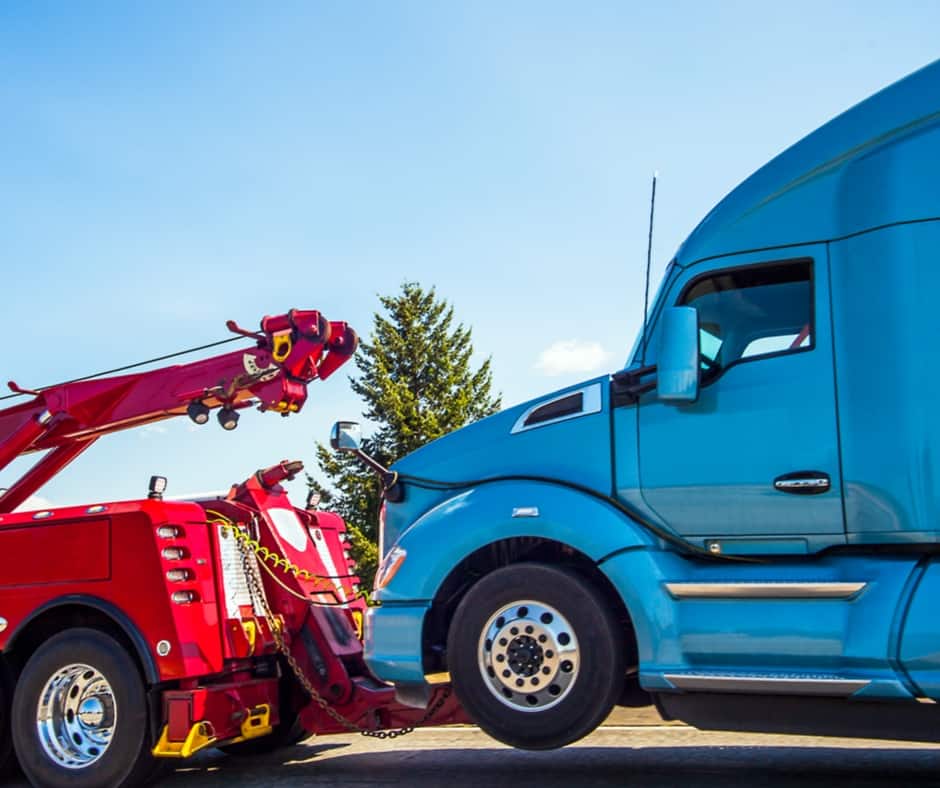
Flatbed Towing in Calgary
Fast. Friendly. Affordable.

Flatbed Tow Truck Towing in Calgary
A flatbed tow truck is the vehicle to use when your car needs to be completely off the ground, or when it is disabled and cannot drive. The whole vehicle rides on a level deck, so nothing rolls and nothing drags.
When it comes to moving vehicles, a flatbed is the safest and most versatile method there is in Calgary. Choose us and you get professional service with a truck capable of hauling the weight and size of your vehicle, even a disabled or broken-down car.
Fast, friendly and affordable, our flatbeds run 24 hours a day with about a 30-minute response across the city.
Why Calgary Drivers Choose Our Flatbed
Fast 30-minute response
For urgent calls, our crews aim to reach most Calgary locations in about 30 minutes.
All four wheels off the ground
Your vehicle rides on a level deck, fully protected from the road.
We tow undrivable cars
Disabled, seized or non-running vehicles are winched or skated on safely.
Versatile and worry-free
Cars, trucks, bikes and more, handled with the right truck for the job.
What We Flatbed in Calgary
A flatbed is the safest, most versatile way to move almost any vehicle, because all four wheels ride off the ground. It is the right call when a car has been in a collision, is badly damaged, has broken axles, or is locked or in park. These are the vehicles Calgary drivers most often ask us to flatbed:
AWD, 4x4 and all-wheel drive
Towing on the wheels can damage the drivetrain, so a flatbed keeps everything off the ground. The same care covers heavier SUVs and trucks.
Luxury, exotic and sports cars
Low splitters, soft suspension and expensive finishes are protected from scraping and wear.
Lowered and modified cars
We load at a low angle so a dropped front lip never catches the ramp. See our low-clearance towing for extreme cases.
Electric vehicles and hybrids
EVs ride flatbed-only to protect the motor and battery. See our EV and hybrid towing service.
Classic and vintage cars
Gentle, movement-free transport for irreplaceable vehicles.
Motorcycles
Loaded with a wheel chock and soft straps so the bike stays upright and unmarked.
Non-running or accident-damaged
Winched or skated on when they cannot roll, with full accident recovery care.
Locked or in-park vehicles
Cars that are locked, in park or have brakes applied are moved safely using skates under the wheels.
If it has wheels, our flatbed can move it safely across Calgary.
How a Flatbed Tow Truck Loads Your Vehicle
Our flatbed operator pulls in front of the vehicle being towed. The deck is tilted and lowered right to the ground, so even a disabled car can be brought up onto it without a steep ramp.
Using a hydraulic winch cable, the car is drawn onto the flatbed surface. Most cars have a dedicated attachment point, so there is no damage to the vehicle. In neutral it rolls on smoothly; the operator then sets it in park and fastens it down with straps and hooks.
For all-wheel-drive and locked vehicles, our operators slide "skates" under the wheels so the car can be moved while it is locked, in park or has the brakes applied, with no transmission damage.


Why AWD, 4x4 and EV Owners Choose Flatbed
All-wheel-drive and four-wheel-drive vehicles cannot be safely towed with any wheels turning on the road, because that can damage the transfer case, differentials and transmission. A flatbed removes the risk by carrying the whole vehicle off the ground.
Electric vehicles are the same story: the motor stays linked to the wheels, so Tesla and most EV makers require flatbed transport. That is why we handle every EV and hybrid tow on a flatbed.
The same protection applies to 4x4 trucks and SUVs, and to luxury, exotic and lowered cars, so your drivetrain and bodywork arrive in the same shape they left.
Flatbed vs Wheel-Lift Towing: Which Is Safer?
The two most common ways to tow a car are a flatbed and a wheel-lift, and we help you pick the right one for your vehicle.
Flatbed towing lifts all four wheels onto a level deck. Nothing rolls, nothing drags, and there is no stress on the drivetrain, which makes it the safest option for AWD, luxury, lowered and electric vehicles, and for any car that cannot roll.
Wheel-lift towing raises two wheels and tows the other two on the road. It is quicker and often cheaper for a standard front- or rear-wheel-drive car over a short distance, and it fits into tight parkades and packed lots where a flatbed cannot. For most AWD, luxury or non-running vehicles, though, a flatbed is the safer call.
How Booking a Flatbed Tow Works
From your first call to the final drop-off, we keep flatbed towing simple and predictable:
Contact and dispatch
We ask your location, vehicle type, and condition.
Arrival and assessment
Our operator inspects the vehicle and plans the loading route.
Loading
The flatbed is tilted, lowered and winched, and the vehicle is rolled on in neutral or skated into position.
Securing
The vehicle is strapped firmly, checked, and protected against damage.
Transport
We tow to your destination: a repair shop, storage, or wherever you request.
Flatbed Towing Across Calgary and the Surrounding Area
Whether you are stranded in Downtown Calgary, the Beltline, NW Calgary, or out in Rocky View County, our flatbed towing is available 24/7. With trucks positioned throughout the city, we aim to reach most locations within 30 minutes, and our local knowledge of Calgary roads means faster arrival in rush hour or winter weather. We also serve Airdrie, Cochrane, Chestermere and Okotoks.
Flatbed Tow Truck Cost in Calgary
Our flatbed service in central Calgary includes travel within a defined radius at a fair base rate, and we always confirm the full price before we roll, with no unexpected fees. Here is what shapes a quote:
Distance and location
A short move inside the city costs less than a run out to Airdrie, Cochrane or Okotoks.
Vehicle size and weight
Oversized or heavy vehicles need a bigger truck and can carry a modest surcharge.
Time of day
Late-night, early-morning and remote-location jobs may cost a little more, and we tell you first.
Upfront, no surprises
We give free quotes over the phone. For a full breakdown, see our Calgary towing cost guide.
Long-Distance and Out-of-Town Flatbed Transport
Need a vehicle moved farther than across town? A flatbed is the safest way to transport a car over a long distance, because it never touches the road and cannot overheat a transmission on the highway. We flatbed vehicles out to Airdrie, Cochrane, Chestermere, Okotoks and Strathmore, and well beyond for longer hauls. For cross-province and out-of-town moves, see our long-distance towing service.
Why Choose Our Calgary Flatbed Service
Flatbed towing is only as good as the crew and the care behind it. Here is what you get with us:
Modern, maintained flatbeds
Well-kept trucks sized to carry your vehicle safely, every time.
Soft wheel straps
We secure at the wheels, not with chassis hooks that can damage your car.
Trained, careful operators
Experienced crews load and secure every vehicle properly.
24/7, fast response
Round-the-clock service with about a 30-minute arrival, backed by our 24 hour towing team.
Flatbed Tow Truck in Calgary FAQ
Common questions about flatbed towing in Calgary. Still unsure which tow you need? Call us and we will send the right truck, whether a flatbed or roadside assistance.
What is a flatbed tow truck and how does it work?
A flatbed tow truck carries your vehicle entirely off the ground on a level platform. This method prevents wheel damage and is ideal for transporting vehicles safely across Calgary.
When should I request a flatbed tow truck in Calgary?
A flatbed tow truck in Calgary is recommended for AWD vehicles, luxury cars, lowered vehicles, non-drivable cars, or vehicles involved in accidents where wheel damage is present.
Is flatbed towing safer than wheel-lift towing?
Yes. Flatbed towing is considered the safest option because all four wheels are secured on the truck, reducing the risk of drivetrain damage or road contact during transport.
Can a flatbed tow truck handle accident-damaged vehicles?
Absolutely. Flatbed tow trucks are commonly used for collision recovery, especially when a vehicle cannot roll or has suspension or axle damage.
Do you offer flatbed towing for luxury or exotic vehicles?
Yes. Flatbed towing is ideal for luxury, sports, and exotic vehicles because it minimizes movement and protects low-clearance designs during loading and transport.
Is flatbed towing available for long-distance transport?
Yes. Flatbed towing is frequently used for long-distance vehicle transport when extra protection is required. For extended hauls, our long-distance towing services in Calgary ensure secure delivery.
Can flatbed tow trucks access underground or low-clearance parking areas?
In some cases, low-clearance or specialty flatbeds may be required. If clearance is limited, our dispatch team will send the right equipment for the job.
How are vehicles secured on a flatbed tow truck?
Vehicles are secured with heavy-duty straps, wheel ties and sometimes chains at manufacturer points, and the load is checked before transport so nothing shifts.
Is flatbed towing available 24/7 in Calgary?
Yes. Our flatbed tow trucks are available 24 hours a day, 7 days a week across Calgary and the surrounding area.
Can a flatbed tow truck be requested instead of standard towing?
Yes. If you prefer or require a flatbed, simply request one when calling. Dispatch will confirm availability and send the appropriate truck for your situation.
How much does flatbed towing cost in Calgary?
Flatbed towing is priced on distance, vehicle size and weight, and the time of day. A short in-city move costs less than a long run out of town, and we always give an upfront quote with no hidden fees.
Can you tow a motorcycle on a flatbed?
Yes. We load motorcycles with a wheel chock and soft straps so the bike stays upright and secure, with no scratches or tipping in transit.
Can you flatbed a lowered or modified car?
Yes. We use low-angle loading and extra care so a dropped front lip or splitter never catches the ramp.
Do you flatbed electric vehicles?
Yes. EVs ride flatbed-only to protect the motor and battery. See our EV and hybrid towing service for details.
Need a Flatbed Tow in Calgary? Call Now.
Tell us your vehicle and what is wrong, and we will send the nearest flatbed with the right gear. All four wheels off the ground, careful handling, day or night.
- ✔️ Fast 30-minute response on urgent calls
- ✔️ 24/7 service, 7 days a week across Calgary
- ✔️ AWD, EV, luxury, lowered, non-running and more
- ✔️ Free quotes over the phone, no hidden fees