
Motorcycle Towing Service
We Transport Motorcycles
Fast. Friendly. Affordable.

Calgary Motorcycle Towing Service
Calgary riders are passionate about their two, three, and four-wheeled machines, and we safely transport anything with wheels. For professional, reliable motorcycle towing in Calgary, choose our team and get a price that is guaranteed upon delivery.
A motorcycle is not towed like a car, so your bike rides upright on a flatbed and is secured the way the pros do it, arriving in the same shape it left. Running or not, dropped or broken down, we have moved it before.
Need a bike moved now? Call (587) 885-2326 for a fast, friendly quote, or read on for how we do it, what we tow, and what it costs.
Motorcycle Towing Done Right
Damage-free flatbed
Your bike rides upright on a flatbed, never dragged.
Soft straps and chock
A wheel chock and soft straps protect your finish.
Any bike or toy
Cruisers, sport bikes, dirt bikes, ATVs, and more.
Running or not
We tow no-starts, flats, and damaged bikes.
Easy payment
All major cards, Interac, debit, cash, and e-transfer.
How We Tow a Motorcycle Without Damage
We never drag a bike or lift it by the wheels. Instead, it rides upright on a flatbed tow truck, secured the way the pros do it:
Upright and loaded
We walk the bike up the ramp and keep it upright and balanced on the flat deck.
Wheel chock
The front wheel settles into a wheel chock to hold it steady for the trip.
Soft straps
Soft straps and soft loops go around sturdy points, never brake lines, wiring, or hoses.
Balanced and protected
We compress the forks slightly without bottoming them out, and secure loose items like mirrors and bags.
Soft straps spread the tension and protect your finish, where chains and the wrong hardware can scratch a frame or bend handlebars. It is careful, bike-specific work, and it is why Calgary riders trust us with their machines.
Motorcycles and Bikes We Tow in Calgary
We safely transport anything with wheels, including:
Harleys and cruisers
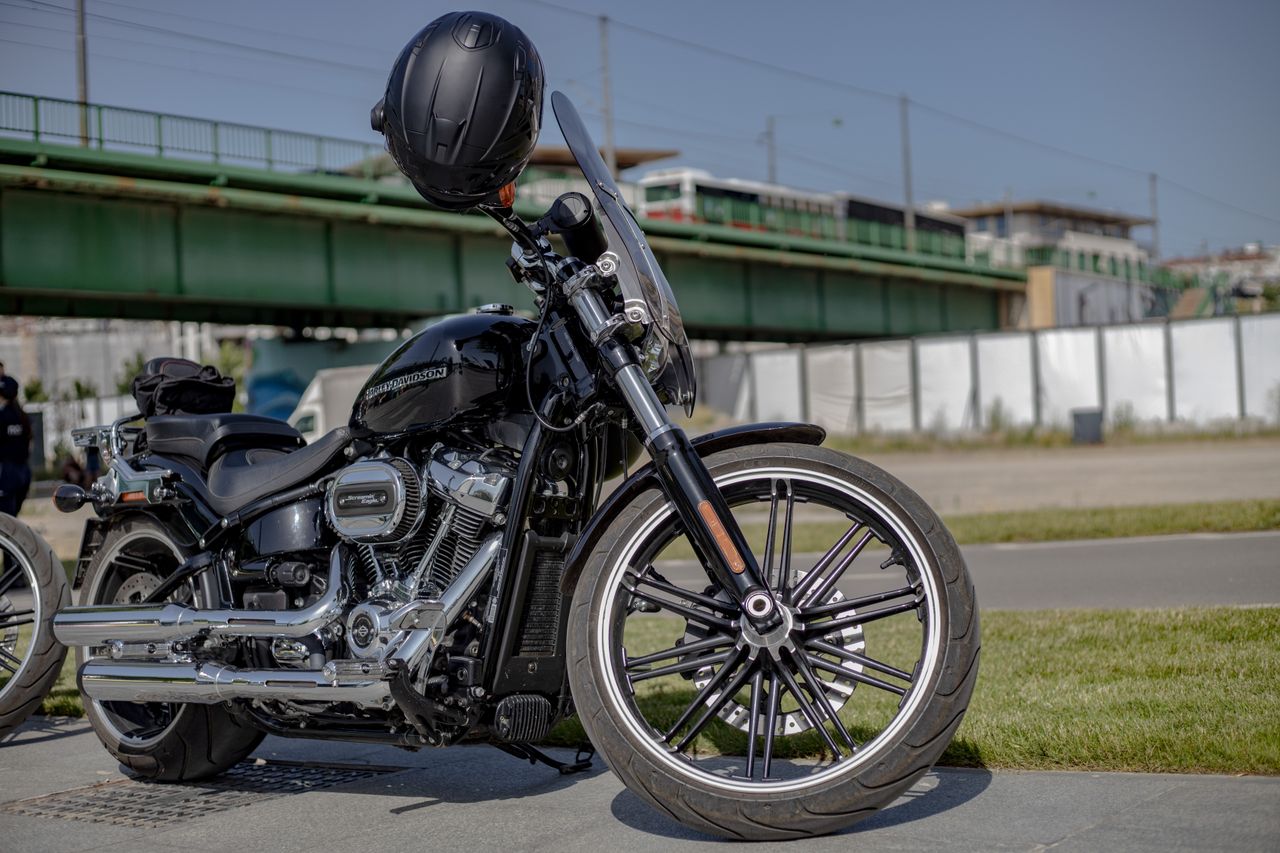
Harley-Davidsons, cruisers, and baggers.
Sport bikes
Sport bikes and standards.
Choppers and customs
Choppers and one-off custom builds.
Trikes
Trikes and three-wheelers.
Scooters and mopeds
Scooters and mopeds.
Dirt and dual-sport
Dirt bikes and dual-sports.
Snowmobiles
Snowmobiles and Skidoos.
Vintage and electric
Vintage, classic, and electric motorcycles.
Not sure if we can move your ride? Tell us the make, model, and condition and we will send the right truck.
One-Way, Two-Way, and More Than Motorcycles
Have an event or a destination that is too far to ride to yourself? Ask about our special price on one-way and two-way motorcycle towing. We also handle long-distance bike transport to and from Calgary, across Alberta and beyond, so your machine travels safely while you take the easy route.
We can tow anything related to motorsports too. Moving a chopper, dirt bike, Skidoo, or ATV? Calgary Towing can help you move your toys to and from the city, store-to-door, dealer-to-home, or city-to-city, whatever the trip calls for.
Just bought a bike, or selling one? We handle private-sale pickups and deliveries, and runs to and from shops, dealerships, and seasonal storage.
When You Might Need a Motorcycle Tow
Bikes get stranded for all kinds of reasons, and we are ready for every one:
Out of fuel
Running out of fuel far from a station.
Breakdown
A mechanical breakdown out on the road.
Pickup or delivery
Picking up a bike you bought, or delivering to a buyer, shop, or storage.
Motorcycle Towing Cost and Payment in Calgary
Motorcycle towing is priced like a standard local tow, with the final number depending on distance, the type of bike, and whether it is a one-way or return trip. We quote a price that is guaranteed upon delivery, so there are no surprises. For typical rates, see our Calgary towing cost guide, and for a dead battery or flat we can often help on the spot with roadside assistance.
We accept all major credit cards, Interac, debit, cash, and e-transfers, making it easy for Calgary riders. Need a bike moved now? Call (587) 885-2326 for 24/7 motorcycle towing.
Motorcycle Towing in Calgary: FAQ
Common questions about motorcycle towing in Calgary. Need a bike moved? Call (587) 885-2326.
How is motorcycle towing different from car towing?
Motorcycle towing requires specialized equipment and secure tie-down methods to keep the bike upright and stable. Unlike cars, motorcycles must be transported carefully to prevent tipping, frame damage, or scratches.
What situations require professional motorcycle towing?
Riders often need motorcycle towing after breakdowns, accidents, flat tires, mechanical failures, or when a bike cannot be safely ridden due to weather or road conditions.
Is flatbed transport used for motorcycles?
Yes. Motorcycles are commonly transported using a stable platform to keep the bike fully off the road. In many cases, a flatbed tow truck in Calgary is used for added safety.
Can damaged motorcycles be towed after an accident?
Yes. After a collision, motorcycles often require careful handling to avoid further damage. In these situations, accident recovery towing in Calgary may be required before transport.
Is motorcycle towing safe for sport bikes and cruisers?
Yes. Proper motorcycle towing techniques are suitable for sport bikes, cruisers, touring bikes, and custom motorcycles when the correct restraints and loading methods are used.
Can motorcycle towing help if my bike won’t start?
Absolutely. If a motorcycle won’t start or has electrical or mechanical issues, towing allows it to be moved safely to a repair shop without attempting to ride it.
Is motorcycle towing available 24/7 in Calgary?
Yes. Motorcycle towing services are available around the clock, including nights, weekends, and holidays, to support riders whenever issues arise.
Can motorcycles be towed long distances?
Yes. Motorcycles can be transported over longer distances when needed, such as between cities or to specialty repair facilities, depending on scheduling and requirements.
Does roadside assistance work for motorcycles?
Some minor issues may be resolved on-site. For situations like dead batteries or simple adjustments, roadside assistance in Calgary may be attempted before towing.
How should I prepare my motorcycle for towing?
If possible, secure loose items, turn off accessories, and inform dispatch of the bike type and condition so the proper equipment is sent.
How do you tow a motorcycle without damaging it?
We load your bike upright on a flatbed, settle the front wheel in a wheel chock, and secure it with soft straps and soft loops around sturdy points, never around brake lines or wiring. The forks are compressed slightly for a balanced hold. It is careful, bike-specific work that protects your finish and frame.
Do you tow Harleys, sport bikes, and trikes?
Yes. We tow Harley-Davidsons, cruisers, baggers, sport bikes, choppers, custom builds, trikes, scooters, and more. Tell us the make and model and we send the right equipment.
Can you tow a motorcycle that will not start or was dropped?
Absolutely. We tow bikes with a dead battery, a flat tire, a mechanical breakdown, or damage from a drop or collision, and we offer full accident recovery for motorcycles.
Do you tow ATVs, dirt bikes, and snowmobiles?
Yes. We move dirt bikes, ATVs, quads, side-by-sides, snowmobiles, and Skidoos, along with motorcycles, using flatbed and equipment transport.
How much does motorcycle towing cost in Calgary?
Motorcycle towing is priced like a standard local tow, based on distance, the type of bike, and whether it is one-way or return. We quote a price guaranteed upon delivery. See our Calgary towing cost guide for typical rates.
Do you offer long-distance motorcycle transport?
Yes. We handle one-way, two-way, and long-distance motorcycle transport to and from Calgary, across Alberta and into neighbouring provinces.
Can you deliver a motorcycle to a shop or dealership?
Yes. We move bikes to and from shops, dealerships, and seasonal storage, and we handle private-sale pickups and deliveries too.
What payment methods do you accept?
We accept all major credit cards, Interac, debit, cash, and e-transfers to make it easy for Calgary riders.
Need Your Motorcycle Moved in Calgary?
One call gets your bike loaded on a flatbed and moved safely, running or not. We quote a price guaranteed on delivery.
- ✔️ Damage-free flatbed transport
- ✔️ Cruisers, sport bikes, trikes, ATVs, and more
- ✔️ One-way, two-way, and long-distance
- ✔️ All major payment methods accepted
Call: (587) 885-2326