β οΈ Calgary Pothole Season Alert
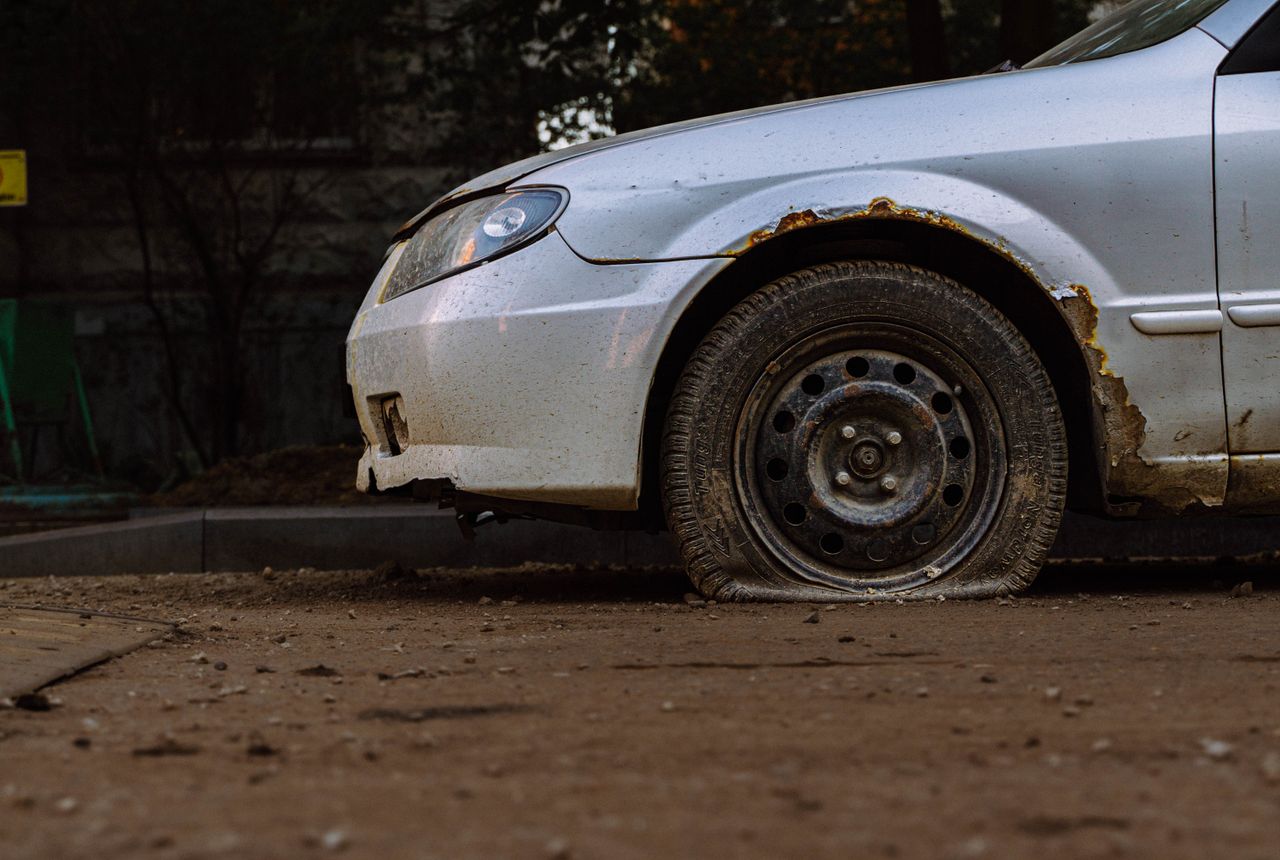
Calgary filled over 35,000 potholes in 2025 alone β and spring 2026 is expected to be just as bad. Freeze-thaw cycles throughout the winter create craters that cause flat tires, blown sidewalls, bent rims, and suspension damage. If a pothole has left you stranded with a flat tire in Calgary, we can help.
24/7 roadside tire change & towing: (587) 885-2326
Every spring, Calgary drivers face the same frustrating reality: roads that looked fine under a layer of snow are suddenly riddled with craters. The freeze-thaw cycles that define a Calgary winter wreak havoc beneath the pavement, and when the snow finally melts in March and April, what is left behind can destroy tires, bend rims, and knock your suspension out of alignment in a single impact. If you have ever experienced a car accident in Calgary caused by swerving to avoid a crater, you know how dangerous potholes can be.
If you are dealing with a flat tire in Calgary caused by a pothole, this guide covers everything: how to identify pothole damage, what to do when you get a flat on the road, how to file a damage claim against the city, where to report dangerous potholes, and how to get fast roadside help any time of day or night.
Calgary’s roads rank among the worst in Canada for major cities β the city currently spends about $2,000 per kilometre per year on roads, while cities like Edmonton and Montreal spend $12,500 to $17,000. The result: more potholes, more tire damage, and more stranded drivers every spring.
Why Calgary’s Pothole Season Is So Severe
Potholes are not random β they form through a specific process that Calgary’s climate makes worse than almost anywhere in Canada:
βοΈ Step 1: Water Gets In
Rain and snowmelt seep through tiny cracks in the road surface. Even hairline cracks are enough to let water penetrate beneath the asphalt layer.
π§ Step 2: Freeze-Thaw Cycles
When the water freezes, it expands and pushes the pavement apart from below. When it thaws, it leaves a void under the surface. Calgary sees dozens of freeze-thaw cycles each winter β far more than most Canadian cities β because of chinook winds.
π Step 3: Traffic Breaks It Open
Vehicles driving over the weakened surface push the asphalt down into the void. The more traffic, the faster the pothole grows. High-traffic routes like Deerfoot Trail, Macleod Trail, and Crowchild Trail are especially bad.
π§οΈ Step 4: Spring Reveals All
When the snow melts in spring, potholes that were hidden all winter are suddenly exposed β often filled with water that disguises how deep they are. This is when most tire damage occurs.
Calgary’s unique chinook weather pattern β where temperatures can swing 20β30Β°C in a single day β creates more freeze-thaw cycles than almost any city in Canada. This is why Calgary consistently has one of the worst pothole seasons on the continent. These same weather patterns drive the city’s snow route parking bans, which compound the winter road-damage problem.
Types of Damage Potholes Cause to Your Vehicle
Hitting a pothole can cause far more damage than just a flat tire. Here is a complete breakdown of what to watch for:
The hidden danger: Not all pothole damage shows up immediately. A sidewall bulge can develop hours after impact and lead to a blowout at highway speed. Misalignment causes uneven tire wear over weeks. If you hit a pothole hard, get your vehicle inspected β even if it seems fine right after.
What to Do When You Get a Flat Tire on a Calgary Road
Get off the road safely
Do not slam on the brakes β grip the steering wheel firmly, ease off the gas, and guide the vehicle to the nearest safe shoulder or parking lot. Turn on your hazard lights immediately. If you are on Deerfoot Trail or another highway, pull as far right as possible and stay in your vehicle.
Assess the damage
Check whether the tire is fully flat or slowly losing air. Look for visible punctures, sidewall damage, or rim bends. If you have a spare tire, jack, and wrench β and feel confident changing it safely β you can do it yourself. Many newer vehicles come with only a tire repair kit and no spare.
Call for roadside help if needed
If you do not have a spare, cannot change it safely (highway, dark, bad weather), or have rim damage beyond a simple tire swap, call (587) 885-2326 for a roadside tire change or accident recovery tow. We respond in 15β35 minutes, 24/7.
Document the pothole
If safe, take photos of the pothole (with something for scale), your tire damage, and the surrounding area. Note the exact location, street name, and nearest intersection. This documentation is crucial if you want to file a claim with the City of Calgary.
Get a full inspection
Even after changing the tire, have a mechanic inspect for alignment issues, rim damage, and suspension problems. A hard pothole hit can cause damage that is not visible from the outside but will worsen over time.
Roadside Tire Help Options in Calgary
When a pothole leaves you with a flat tire in Calgary, here are your options for getting back on the road:
During peak pothole season (MarchβMay), AMA wait times can stretch to several hours due to high call volume. If you are stranded on a busy road or highway where time matters, calling an independent company like Calgary Towing gets you faster service. Be aware of predatory towing scams β under Alberta’s towing laws, uninvited tow trucks cannot approach your vehicle within 200 metres. For details on what towing coverage you may already have, see our insurance and towing guide.
Flat Tire From a Pothole? We Will Be There Fast.
(587) 885-2326
Roadside tire change β’ Flatbed towing β’ 24/7 β’ 15β35 min response
How to Report a Pothole in Calgary
Reporting potholes helps the city prioritize repairs and creates a record that supports any damage claim you may file. There are three ways to report:
π± Call 311
The fastest way to report. Call 311 from within Calgary and describe the location and size of the pothole.
π· 311 App
Download the Calgary 311 app, take a photo, and submit with the location. The city adds it to their maintenance list.
π Online
Visit calgary.ca/potholes to submit a request and check the pothole status map for existing reports.
The city prioritizes repairs using a five-point scale based on severity, safety impact, and location. High-traffic roads get fixed first. You can check the Pothole Status Map to see if the pothole you encountered has already been reported and what its repair status is.
Filing a Pothole Damage Claim Against the City
If a pothole damaged your vehicle, you may be able to file a claim against the City of Calgary. However, the process is not straightforward and success is not guaranteed. Here is what you need to know:
π To Succeed, You Need to Prove:
- The road was in a state of disrepair that was outside what is reasonable for the type of road
- The City knew or should have known about the disrepair
- The pothole directly caused the damage to your vehicle
Important: The City inspects roads annually and repairs based on priority. If the pothole was recently reported and not yet fixed, your claim may be stronger. If the pothole had not been reported, the city’s argument is that they did not know about it.
Steps to file: Document the pothole and damage thoroughly (photos, location, date, time), get repair estimates or invoices, and submit a claim through the City of Calgary’s claims department. Keep copies of everything. Filing a claim does not guarantee payment β the city evaluates each case individually.
Alternative: If you have comprehensive auto insurance, your policy may cover pothole damage (minus your deductible). This is often faster than filing a city claim. Check with your insurance provider.
How to Minimize Pothole Damage to Your Vehicle
π¨ Keep Tires Properly Inflated
Properly inflated tires provide a better cushion against impacts. Check pressure at least monthly β tires lose about 1 PSI for every 5Β°C drop in temperature.
πΏ Slow Down on Rough Roads
Speed amplifies impact force. Hitting a pothole at 60 km/h causes far more damage than at 30 km/h. Slow down in areas with visible road damage, especially after snowmelt.
π§ Watch for Water Puddles
Water-filled potholes hide their true depth. What looks like a shallow puddle could be a 15 cm crater. Avoid driving through standing water during spring thaw whenever possible.
π Keep a Safe Following Distance
Following too closely means you cannot see the road surface ahead. Leave extra space so you have time to spot and avoid potholes β or at least slow down before impact.
π Avoid Sudden Swerving
Darting around a pothole at the last second can cause you to lose control or collide with another vehicle. If you cannot safely avoid it, slow down as much as possible and drive through it straight.
π§ Get a Spring Alignment Check
After winter, book a wheel alignment and tire inspection. This catches problems early β before a small misalignment turns into uneven tire wear that costs you a new set of tires. If your battery also took a hit over the winter, a battery boost before spring keeps you from being stranded twice.
Calgary’s Worst Roads for Potholes
While potholes can appear on any road, these high-traffic routes are consistently among the worst in Calgary for pothole damage. Drive with extra caution during spring on these corridors:
- Deerfoot Trail (Highway 2): Calgary’s busiest highway β high speeds combined with heavy truck traffic create some of the most dangerous potholes in the city.
- Macleod Trail: Heavy traffic, especially around Chinook Centre and Southland Drive, leads to rapid pothole formation every spring.
- Crowchild Trail: Aging infrastructure and heavy university-area traffic make this a perennial problem route.
- Memorial Drive and 16 Avenue (Trans-Canada): Major east-west corridors with high traffic volumes and significant freeze-thaw exposure.
- Glenmore Trail: Particularly bad around the Glenmore / Deerfoot interchange and the Elbow River bridge sections.
- Airport Trail NE: Fast speeds and relatively new but rapidly deteriorating road surfaces create deep potholes that drivers often cannot avoid in time.
If a pothole on any of these roads leaves you with a flat tire in Calgary, call (587) 885-2326. We service all major roads and highways in the Calgary region, including Highway 1A to Cochrane and the SE Calgary corridor.
When You Need a Tow vs. a Roadside Tire Change
When you call (587) 885-2326, tell the dispatcher exactly what happened. We will determine whether a tire change on-site will work or whether a flatbed tow to a tire shop is the safer option. Knowing what information to give the dispatcher helps us get the right truck to you faster.
Spring Vehicle Checklist After Pothole Season
After months of winter driving and pothole exposure, a spring vehicle check can save you hundreds in avoidable repairs. Here is what to have inspected:
- All four tires: Check for bulges, cuts, uneven wear, and proper tread depth (minimum 4/32″ for Alberta winters)
- Wheel alignment: Have it checked if your vehicle pulls to one side or the steering wheel is off-centre
- Rims: Inspect for bends, cracks, or dents β even small rim damage can cause slow air leaks
- Suspension: Listen for clunking over bumps and check for unusual bouncing
- Spare tire: Confirm it is inflated and the jack/wrench are present β many drivers forget until they need them
- Tire pressure: Adjust for warmer temperatures β tires gain about 1 PSI for every 5Β°C rise
- Seasonal swap: Schedule your winter-to-summer tire change when daytime temps consistently exceed 7Β°C
Frequently Asked Questions β Potholes and Tire Damage in Calgary
How many potholes does Calgary fill each year?
The City of Calgary filled over 35,000 potholes in 2025, a record number. The average over the past five years is about 23,000 per year, but increasing freeze-thaw cycles and aging infrastructure are driving the numbers up.
Can I claim pothole damage from the City of Calgary?
You can file a claim, but success depends on proving the road was unreasonably damaged and the city knew or should have known about it. Document the pothole and damage thoroughly, get repair invoices, and submit a claim through the city’s claims department. Filing does not guarantee payment.
What should I do if I get a flat tire from a pothole?
Pull safely off the road, turn on hazard lights, and assess the damage. If you have a spare and can change it safely, do so. Otherwise, call (587) 885-2326 for a roadside tire change or tow. Document the pothole with photos for a potential claim.
Does insurance cover pothole damage?
If you have comprehensive or collision coverage, your auto insurance may cover pothole damage minus your deductible. Roadside tire changes may be covered under your SEF 35 endorsement or AMA membership. Check your specific policy β see our insurance and towing guide for details.
How do I report a pothole in Calgary?
Report potholes by calling 311, using the Calgary 311 app, or visiting calgary.ca/potholes. You can check the Pothole Status Map to see if the pothole has already been reported. Reporting potholes helps the city prioritize repairs and creates a record for any damage claims.
Can a pothole damage more than just a tire?
Yes. A severe pothole hit can damage tires, bend or crack rims, knock wheels out of alignment, break suspension components (ball joints, tie rods, struts), and damage undercarriage panels. Not all damage is immediately visible β get your vehicle inspected after any hard impact.
When is pothole season in Calgary?
Pothole season typically peaks from March through May, when snow melts and exposes road damage from winter freeze-thaw cycles. However, Calgary’s chinook-driven temperature swings mean potholes can appear as early as January and continue forming into June.
How much does a roadside tire change cost in Calgary?
A roadside tire change from a towing company typically costs $60β$120, which covers the service call and swapping to your spare. If you need a tow to a tire shop instead (no spare, rim damage), a local flatbed tow runs $75β$175. For a full breakdown, see our 2026 tow truck cost guide.
Is it safe to drive on a tire with a sidewall bulge?
No. A sidewall bulge means the tire’s internal structure is compromised. It can blow out at any time, especially at highway speed. Do not drive on it β call for a roadside tire change or flatbed tow. A tire with a sidewall bulge cannot be repaired and must be replaced.
Why are Calgary’s roads so bad for potholes?
Calgary experiences more freeze-thaw cycles than most Canadian cities due to chinook winds that can swing temperatures 20β30Β°C in a single day. The city also spends about $2,000/km/year on roads β far less than Edmonton ($12,500) or Montreal ($17,000). This combination of extreme weather and low investment creates ideal conditions for potholes.
Pothole Got You? We Will Get You Moving.
Roadside tire change or flatbed tow β 24/7, any Calgary road.
(587) 885-2326