Calgary Heavy Towing
Trucks, Vans, Busses
Fast. Friendly. Affordable.

Calgary Heavy-Duty Towing and Recovery
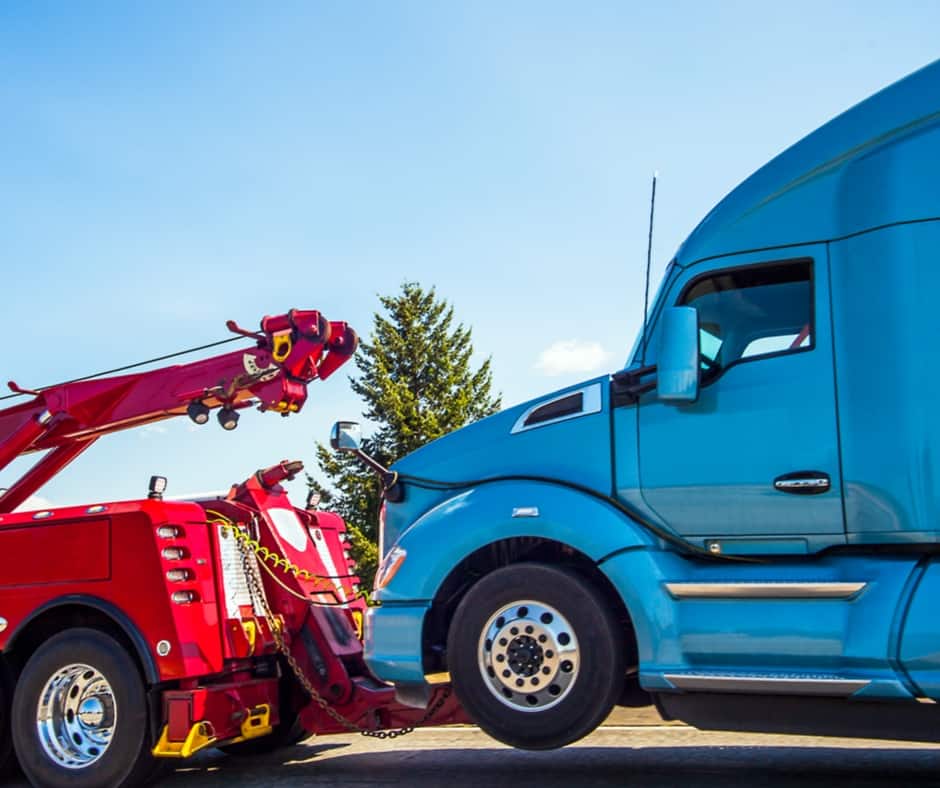
Calgary Towing has a rotator tow truck ready to dispatch, with the power to move larger vehicles a standard tow truck simply cannot. Mining equipment, transports and fleet vehicles are all well within our capabilities.
When your big rig, transport trailer, bus, construction equipment or heavy machinery breaks down, you need more than a regular tow. Every minute your truck is not driving is costing you money, so we work fast to get your rig into the garage and back on the road.
Our heavy-duty towing and recovery is available 24 hours a day across Calgary, from the industrial zones to highways like Deerfoot and Stoney Trail. Call (587) 885-2326 and we will send the right unit.
Heavy Towing Built to Minimize Your Downtime
Fast 30-minute arrival
Multiple heavy-duty units positioned around Calgary reach you quickly.
To the right repair centre
We tow your rig to a specialty truck repair centre or yard.
Payload towed separately
When needed, we move the load separately so nothing is lost.
Dispatchers standing by
Experienced dispatchers are waiting for your call, day or night.
Heavy Vehicles and Equipment We Tow in Calgary
Heavy towing covers far more than a big pickup. If it is too large or too heavy for a standard tow truck, we move it, from loaded semi-trailers to buses and oversized machinery.
We have the equipment and the trained operators to tow large and long vehicles, including those wider or taller than standard, and when a load needs permits and escorts, we arrange them.
Not sure if your vehicle counts as heavy? Tell us the make, model and rough dimensions when you request a quote, and we will send the right unit, paired with our equipment towing when the load calls for it.
Semi-trucks and trailers
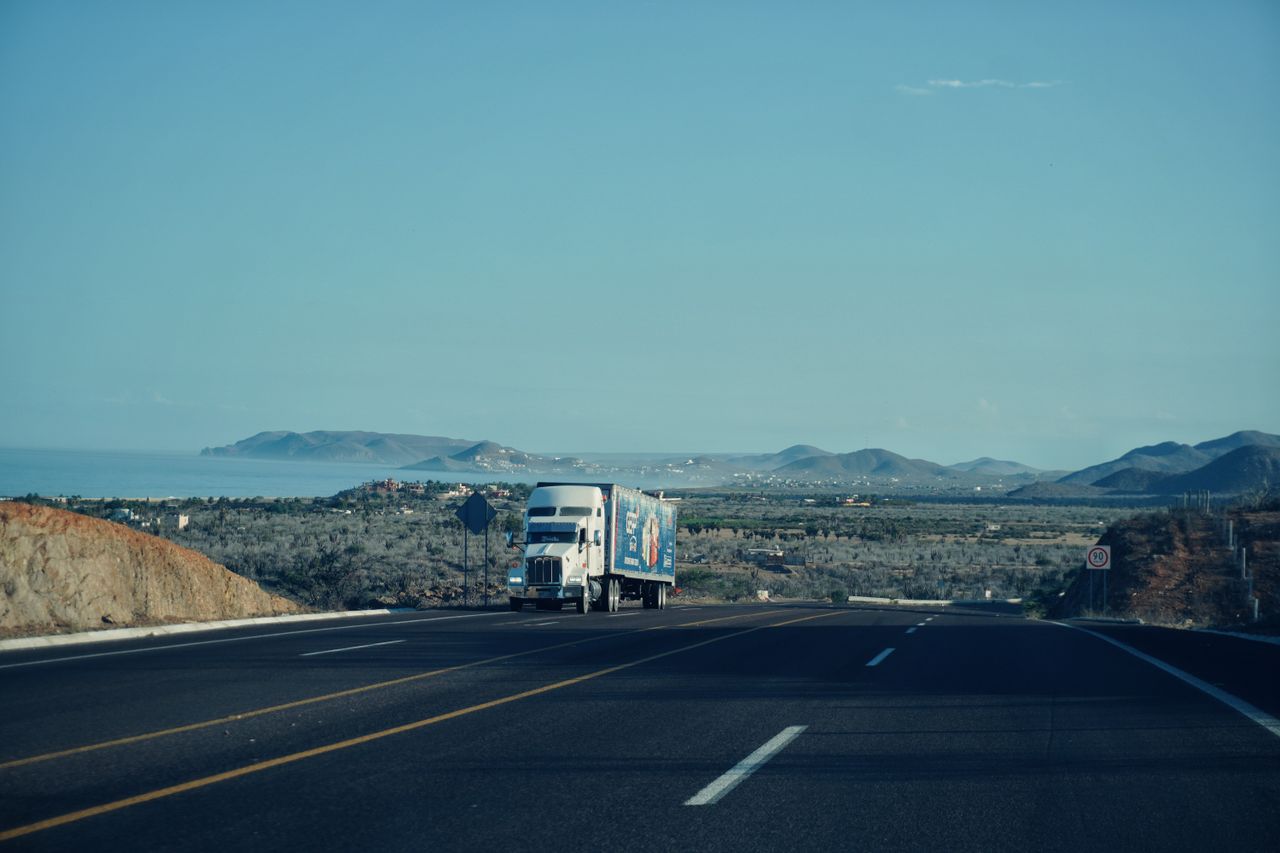
Day cabs, sleepers and loaded tractor-trailers.
Buses and motor coaches
School buses, city transit and charter coaches.
RVs and motorhomes
Class A, B and C units and large fifth-wheels.
Dump trucks and mixers
Dump trucks, cement mixers and concrete pumps.
Box trucks and cube vans
Box trucks, cube vans and delivery trucks.
Farm machinery
Tractors, combines and agricultural implements.
Oil, gas and industrial
Tanks, rigs and oversized industrial loads.
Heavy Recovery: Rollovers, Jackknives and Off-Road Winch-Outs
Some jobs are not a simple tow, they are a recovery, and that takes the right gear and a careful plan. Our heavy recovery team handles:
Rollovers
Overturned trucks uprighted safely with a rotator before loading.
Jackknifed trailers
Jackknifed tractor-trailers blocking a highway or ramp, straightened and cleared.
Load shifts and spills
Shifted or spilled cargo stabilized before the rig can safely move.
Ditch and off-road
Vehicles in a ditch, down an embankment or stuck on soft or icy ground, pulled out with winching and recovery.
Immobilized rigs
Trucks that cannot roll, lifted and carried out of the way.
Collision recovery
Full accident recovery care when a collision is involved, planned to avoid further damage.
Our Heavy-Duty Fleet and Equipment
The right recovery depends on the right equipment, and we run a full heavy-duty fleet so the correct truck reaches you fast:
Rotator tow trucks
A 360-degree boom that lifts from almost any angle, even in tight spaces or on rough ground.
50-ton heavy wreckers
The muscle for the biggest rigs and heaviest loads.
Lowboy and modular trailers
For oversized or non-rolling equipment that cannot be lifted.
Winches, dollies, air cushions
The gear for complex lifts, drag-outs and rollover recoveries.
How Heavy Towing Works: Our Process
From your first call to safe delivery, we follow a careful process on every heavy job:
Initial call and assessment
Our dispatcher collects your location, vehicle type, load weight, and any damage or terrain issues.
Site survey and stabilization
On arrival we inspect for obstacles, stability and ground conditions, and plan the safest way to lift or recover.
Recovery and loading
We use a rotator, winches, cranes, dollies or modular trailers as needed, then secure and stabilize the vehicle.
Transport and delivery
We tow to the repair shop, yard or storage, keeping the load safe and monitored throughout transit.
Why Choose Our Heavy Towing Service in Calgary
Heavy recovery is not a job for a regular tow truck. Here is what you get with our team:
Specialized equipment
Our rotators, heavy wreckers and modular trailers can handle nearly any load.
Experienced operators
Crews trained for complex recoveries and safe loading procedures.
Fast response
Heavy-duty units positioned around Calgary reach you quickly, even for large vehicles.
Safety and compliance
All work follows provincial regulations, loads are secured and escorts arranged when needed.
24/7 Heavy Towing on Deerfoot, Stoney and Calgary Highways
A disabled rig on a busy highway is a hazard to everyone, so speed and safety both matter. We respond fast to heavy breakdowns and collision recovery on Deerfoot Trail, Stoney Trail, Glenmore Trail, the Trans-Canada and Calgary’s industrial corridors, setting up safe traffic control and clearing the lane. We are available around the clock across the city and surrounding municipalities.
Permits, Escorts and Oversized Load Compliance
When a recovered vehicle or load is over legal size, Alberta has clear rules, and we handle the paperwork so your move stays compliant. Legal limits are about 4.15 metres high and 2.6 metres wide, and anything beyond needs a provincial permit before it moves:
Permits
We arrange the Alberta oversize or overweight permits required before an over-dimensional load moves.
Flags, lights and signs
Wide and tall loads are marked with flags by day, lights at night and oversize signs by width.
Pilot and escort vehicles
We bring pilot or escort vehicles whenever the route calls for them.
Safe route planning
We plan a route that keeps bridges and overpasses safe, the same care we give our equipment towing.
Heavy Towing Cost in Calgary
Heavy towing is quoted on the job, because no two recoveries are the same. We always provide a full quote before we roll, with load and route details factored in:
Weight and size
Heavier and larger vehicles need bigger equipment and more time on site.
Recovery complexity
A straightforward tow costs less than a rollover or off-road recovery.
Distance and timing
A city job costs less than a long run out to Airdrie or Cochrane, and after-hours calls may add a surcharge.
Permits and escorts
Oversized loads include permit and escort costs. For standard rates, see the Calgary towing cost guide.
Fleet and Commercial Heavy Towing Accounts
Trucking companies, transit operators and equipment fleets rely on fast, reliable heavy recovery. We set up fleet accounts with priority dispatch for your rigs, one consolidated invoice, and direct insurance billing when a claim is involved, so a breakdown never stops your operation for long.
Heavy Towing in Calgary FAQ
Common questions about heavy-duty towing and recovery in Calgary. Have a big rig down now? Call us and our dispatch team will send the right unit.
What qualifies as heavy towing in Calgary?
Heavy towing refers to the recovery and transport of large, oversized, or high-weight vehicles such as dump trucks, buses, cement mixers, box trucks, and tractor units that exceed standard towing limits.
What types of vehicles require heavy-duty towing services?
Heavy-duty towing is commonly required for commercial trucks, construction vehicles, large RVs, delivery trucks, and industrial vehicles that cannot be handled by light or medium towing equipment.
How is heavy vehicle recovery different from standard towing?
Heavy vehicle recovery uses specialized wreckers, reinforced equipment, and trained operators to safely manage higher weights, complex recoveries, and rollover situations without causing further damage.
Can heavy towing be used for commercial breakdowns on highways?
Yes. Heavy towing support is often dispatched for commercial breakdowns on major Calgary routes such as Deerfoot Trail, Stoney Trail, and Trans-Canada Highway to clear vehicles safely and efficiently.
Is heavy towing available 24/7 in Calgary?
Yes. Heavy towing services operate around the clock, ensuring large vehicles can be recovered or transported during nights, weekends, holidays, and emergency situations.
Can heavy towing handle rollovers or off-road recoveries?
Yes. Complex recoveries involving rollovers, ditches, or uneven terrain often require winching, stabilization, and coordinated lifting. In these cases, professional winching services in Calgary may be used alongside heavy recovery equipment.
Is heavy towing suitable for long-distance transport of large vehicles?
In some cases, heavy vehicles need to be moved between cities or facilities. For extended transport, long-distance towing services in Calgary can be arranged based on vehicle size and route requirements.
Do heavy towing services support fleet and commercial operators?
Yes. Heavy towing is commonly used by fleet operators, logistics companies, and contractors to recover disabled vehicles and minimize downtime across multiple operations.
Is heavy towing covered by commercial insurance policies?
Coverage depends on the policy, but many commercial insurance plans include towing and recovery benefits. When applicable, insurance billing for towing in Calgary can simplify the process.
What information is needed to dispatch heavy towing services?
To ensure proper equipment is sent, details such as vehicle type, estimated weight, location, and situation are required. This helps dispatch the correct recovery unit and reduces delays.
Do you tow semi-trucks and tractor-trailers?
Yes. We tow and recover semi-trucks, tractor-trailers, buses, RVs and other heavy vehicles with rotators and heavy wreckers.
Can you recover a rolled-over or jackknifed truck?
Yes. Our rotator and recovery gear upright and recover overturned or jackknifed rigs safely, without causing further damage.
Do you handle oversized loads and permits?
Yes. For over-legal recoveries we arrange Alberta permits, add the required flags, lights and signs, and bring escort vehicles when the route requires them.
How much does heavy towing cost in Calgary?
Heavy towing is quoted per job based on weight, recovery complexity, distance and any permits. We always give a full quote before we start, with no surprise charges.
Do you offer heavy towing accounts for fleets?
Yes. Trucking and equipment fleets can set up a priority-dispatch account with consolidated billing and insurance billing support.
Heavy Vehicle Down in Calgary? Call Now.
One call puts a rotator or heavy wrecker on the way. Tell us the vehicle, weight and situation, and we will send the right unit to get your rig moving.
- ✔️ Rotator and 50-ton heavy wreckers
- ✔️ 24/7 service, fast highway response
- ✔️ Semis, buses, RVs, equipment and more
- ✔️ Permits, escorts and insurance billing