
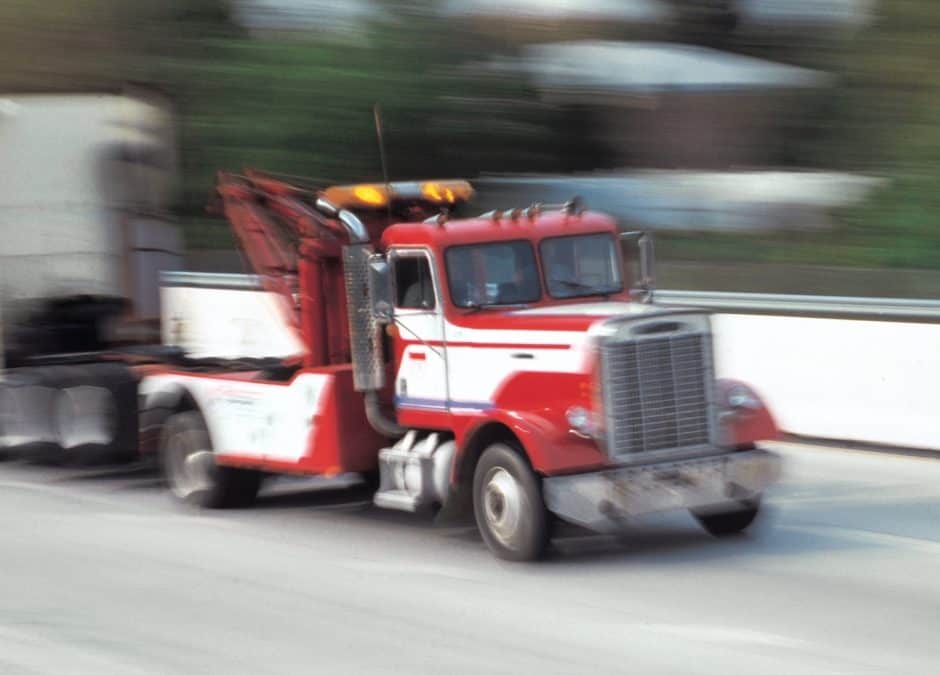
Heavy-Duty Towing Calgary: Complete Guide for Trucks, RVs & Commercial Vehicles
When a massive vehicle breaks down on Calgary’s highways or construction equipment needs transport across the city, standard tow trucks simply can’t handle the job. Heavy-duty towing requires specialized equipment, expert operators, and precise coordination to move vehicles weighing tens of thousands of pounds safely. From semi-trucks and city buses to RVs and industrial machinery, heavy-duty towing is a critical service that keeps Calgary’s commercial operations moving.
Whether you manage a fleet of commercial vehicles, own an RV for weekend adventures, or operate construction equipment, understanding heavy-duty towing capabilities ensures you’re prepared when mechanical failures or accidents occur. This comprehensive guide covers everything you need to know about heavy-duty towing in Calgary—from the types of equipment used to pricing expectations and how to choose the right service provider for your specific needs.
What is Heavy-Duty Towing?
Heavy-duty towing refers to the specialized transport of vehicles and equipment that exceed the capacity of standard light-duty tow trucks. While a typical tow truck handles passenger vehicles weighing up to 10,000 pounds, heavy-duty operations manage loads from 10,000 pounds to well over 80,000 pounds.
Weight Classifications
Understanding vehicle weight classes helps determine what type of towing service you need:
- Light-Duty (Class 1-3): Up to 14,000 lbs GVW – Standard cars, SUVs, small pickups
- Medium-Duty (Class 4-6): 14,001 to 26,000 lbs GVW – Large pickups, box trucks, small buses
- Heavy-Duty (Class 7-8): 26,001+ lbs GVW – Semi-trucks, large RVs, city buses, construction equipment
If your vehicle’s Gross Vehicle Weight Rating (GVWR) exceeds 26,000 pounds, you need dedicated heavy-duty towing services with appropriate equipment and operator certification.
Common Heavy-Duty Towing Situations
Heavy-duty towing addresses various commercial and personal needs:
- Semi-truck breakdowns on highways
- Construction equipment transport to and from job sites
- RV and motorhome mechanical failures
- City bus recovery after accidents
- Agricultural machinery relocation
- Commercial vehicle accident recovery
- Fleet vehicle transport for repairs
- Oversized load repositioning
Each scenario requires specific equipment, techniques, and safety protocols to ensure safe transport without causing additional damage.
Types of Heavy-Duty Vehicles Commonly Towed in Calgary
Calgary’s diverse economy means heavy-duty towing services must handle an extensive range of vehicles and equipment.
Commercial Trucks and Semi-Trailers
Semi-trucks are the backbone of Calgary’s logistics industry, transporting goods across Alberta and beyond. When these vehicles break down, quick recovery is essential to minimize supply chain disruptions.
Common towing needs:
- Engine or transmission failures on highway routes
- Tire blowouts requiring roadside repair or towing
- Accident recovery involving jackknifed or overturned trailers
- Winter weather incidents on icy highways
- Brake system failures requiring immediate removal from traffic
Our fleet service solutions provide priority response for commercial trucking companies, minimizing downtime and keeping deliveries on schedule.
Recreational Vehicles and Motorhomes
Alberta’s stunning landscapes make RV travel extremely popular. However, these large recreational vehicles present unique towing challenges due to their size, weight, and often delicate construction.
RV towing considerations:
- Class A motorhomes (30,000-50,000 lbs) require heavy-duty capability
- Delicate exterior finishes demand careful handling
- Slide-outs and awnings must be secured before transport
- Propane systems require safety protocols during recovery
- Many RV owners need transport to specialized repair facilities
Professional RV towing services use flatbed or wheel-lift configurations specifically designed to protect your investment while transporting it safely.
Construction and Industrial Equipment
Calgary’s constant development means construction equipment frequently needs relocation between job sites or transport for repairs.
Equipment commonly towed:
- Excavators and backhoes
- Skid steers and loaders
- Bulldozers and graders
- Cranes and boom lifts
- Dump trucks and haul trucks
- Concrete mixers and pumps
Heavy equipment transport requires specialized loading ramps, securing techniques, and route planning to navigate Calgary’s streets safely while complying with municipal regulations.
City Buses and Transit Vehicles
Calgary’s public transit system and private charter companies operate large buses that occasionally require towing due to mechanical failures or accidents.
Bus towing challenges:
- Length restrictions require careful maneuvering
- Passenger safety systems must be properly secured
- Transit buses often need recovery from active traffic areas
- Coordination with Calgary Transit or private operators is essential
Agricultural Machinery
While less common in urban Calgary, agricultural equipment from surrounding areas frequently needs transport through the city to dealers or repair facilities.
Farm equipment includes:
- Tractors and combines
- Seeders and sprayers
- Balers and harvesters
- Grain trucks and augers
Heavy-Duty Tow Truck Equipment Explained
Understanding the equipment used in heavy-duty towing helps you communicate your needs effectively and ensures the right truck arrives for your situation.
Rotator Tow Trucks
Rotator trucks represent the pinnacle of heavy-duty towing capability. These massive vehicles feature a rotating boom that can extend, lift, and position loads with precision.
Rotator capabilities:
- Lifting capacity: 50,000 to 75,000+ pounds
- 360-degree rotating boom for positioning flexibility
- Extending boom reaches up to 30 feet
- Ideal for overturned vehicles and complex accident recovery
- Can right vehicles in ditches or on their sides
- Multiple winch points for precise load control
Rotators are essential for serious accidents, rollovers, and situations where vehicles must be lifted from challenging positions.
Heavy-Duty Flatbed Tow Trucks
Flatbed trucks provide the safest transport method for most heavy vehicles by carrying the entire load on a flat platform, eliminating drivetrain stress.
Flatbed advantages:
- Load capacity: 20,000 to 40,000 pounds typically
- No wear on towed vehicle’s tires or transmission
- Protects undercarriage from road debris and salt
- Ideal for RVs, luxury coaches, and specialty vehicles
- Hydraulic tilting beds for easy loading
- Secure tie-down points prevent shifting during transport
Heavy-Duty Wheel-Lift Trucks
Wheel-lift systems use a hydraulic yoke that lifts the front or rear wheels of the disabled vehicle while the opposite end rolls on its own wheels.
Wheel-lift features:
- Faster than flatbed loading for certain situations
- Lower profile allows access to tight spaces
- Cost-effective for short-distance towing
- Suitable for vehicles with working wheels and suspension
- Not recommended for all-wheel drive or luxury vehicles
Landoll Trailers for Extreme Loads
For the absolute heaviest equipment—bulldozers, excavators, or industrial machinery—Landoll trailers provide the necessary capacity.
Landoll specifications:
- Load capacity: 40,000 to 80,000+ pounds
- Detachable gooseneck for ground-level loading
- Multi-axle configurations distribute weight
- Requires commercial tractor for transport
- Used for scheduled equipment moves rather than emergency towing
Winching and Recovery Equipment
Beyond tow trucks themselves, specialized winching equipment handles complex recovery situations:
- Heavy-duty winches: 35,000 to 75,000 pound capacity
- Snatch blocks: Redirect winch cables for mechanical advantage
- Chains and straps: Rated for extreme loads with safety factors
- Air cushions: Lift overturned vehicles without additional damage
- Stabilization equipment: Secure unstable loads during recovery
The Heavy-Duty Towing Process: What to Expect
Understanding the towing process helps you prepare and communicate effectively with your service provider.
Initial Contact and Assessment
When you call for heavy-duty towing, operators need specific information:
- Vehicle type and specifications: Make, model, approximate weight
- Exact location: GPS coordinates or detailed description
- Problem description: Mechanical failure, accident, stuck, etc.
- Accessibility: Highway shoulder, parking lot, off-road, etc.
- Destination: Repair facility, storage yard, or specific address
- Special considerations: Load in trailer, hazardous materials, damage extent
This information allows dispatchers to send appropriate equipment and estimate arrival times and costs.
Equipment Deployment
Heavy-duty tow trucks take longer to deploy than standard vehicles due to their size and specialized nature:
- Urban Calgary: 30-60 minute typical response
- Highway locations: 45-90 minutes depending on distance
- Rural areas: 90+ minutes for specialized equipment
- Complex recoveries: May require multiple trucks or equipment staging
During winter storms or peak traffic periods, response times may extend. Our 24/7 dispatch at (587) 885-2326 provides accurate ETAs based on current conditions.
On-Site Assessment and Preparation
Upon arrival, professional operators conduct a thorough assessment:
- Inspect vehicle damage and mechanical condition
- Evaluate surrounding terrain and accessibility
- Determine optimal recovery technique
- Position tow truck for safe, efficient operation
- Set up traffic control or safety equipment if needed
- Photograph vehicle and damage for documentation
This assessment phase typically takes 10-20 minutes and ensures the safest, most effective recovery method.
Securing and Loading
Proper securing prevents additional damage and ensures transport safety:
- Positioning: Align vehicle with tow truck or trailer
- Attachment: Connect winch cables or lift equipment
- Lifting: Gradually raise vehicle using hydraulics
- Securing: Apply chains, straps, and wheel chocks
- Weight distribution: Verify load balance on tow truck
- Final inspection: Check all connection points before transport
Experienced operators complete this process efficiently while prioritizing safety and vehicle protection.
Transport and Delivery
Heavy-duty towing transport requires careful route planning:
- Height clearances: Verify bridge and overpass heights
- Weight restrictions: Avoid bridges or roads with limits
- Wide load considerations: Plan routes for oversized equipment
- Traffic patterns: Time transport to avoid peak congestion
- Municipal regulations: Comply with Calgary transport bylaws
Professional drivers maintain constant communication during transport and adjust routes as needed for safety and efficiency.
Heavy-Duty Towing Safety and Regulations
Heavy-duty towing in Calgary must comply with strict safety standards and municipal regulations.
Operator Certification Requirements
Professional heavy-duty tow truck operators must possess:
- Class 1 or Class 3 commercial driver’s license depending on equipment
- Heavy equipment operation certification for complex machinery
- Occupational Health and Safety training for workplace incidents
- First aid certification for emergency response
- Ongoing professional development in new techniques and equipment
When choosing a heavy-duty towing provider, verify their operators hold appropriate certifications and insurance coverage.
Vehicle Weight and Load Regulations
Alberta Transportation enforces strict regulations on vehicle weights:
- Maximum single axle weight: 10,000 kg (22,000 lbs)
- Maximum tandem axle weight: 17,000 kg (37,500 lbs)
- Maximum gross vehicle weight: Varies by axle configuration
- Overweight permits: Required for loads exceeding standard limits
Professional towing companies handle permit applications and ensure compliance with all weight regulations, protecting you from fines and legal issues.
Traffic Control and Scene Safety
Heavy-duty towing operations, especially on highways, require proper traffic control:
- High-visibility reflective clothing for all personnel
- Warning lights and flares to alert approaching traffic
- Traffic cones and barriers to create work zones
- Coordination with police or Calgary Transportation for major incidents
- Flaggers for complex recovery operations
Safety protocols protect tow truck operators, stranded drivers, and passing motorists during recovery operations.
Heavy-Duty Towing Costs in Calgary
Understanding pricing helps you budget for heavy-duty towing and avoid surprise charges.
Typical Cost Components
Heavy-duty towing pricing reflects the specialized equipment and expertise required:
Base hook-up fees:
- Medium-duty towing: $200-$400
- Heavy-duty towing: $400-$800
- Rotator recovery: $800-$1,500+
Per-kilometer charges:
- Medium-duty: $5-$8 per km
- Heavy-duty: $8-$12 per km
- Specialized equipment: $12-$20 per km
Additional factors affecting cost:
- Time of day (after-hours premiums at some companies)
- Complexity of recovery (winching, righting overturned vehicles)
- Multiple trucks or equipment required
- Hazardous material handling
- Standby time for coordinated operations
- Storage fees if destination isn’t immediately available
Getting Accurate Quotes
Reputable heavy-duty towing companies provide transparent pricing:
- Itemized cost breakdowns before service begins
- Written estimates for complex recoveries
- Clear explanation of all fees and charges
- No hidden costs or surprise bills
At Calgary Tow Truck, we provide upfront pricing for all services. Call (587) 885-2326 for a no-obligation quote based on your specific situation.
Insurance Coverage for Commercial Towing
Commercial vehicle operators should verify their insurance coverage includes:
- Towing and recovery expenses: Coverage limits for heavy-duty towing
- Cargo protection: If hauling freight that could be damaged
- Business interruption: Coverage for downtime during repairs
- Liability protection: For accidents during towing operations
Many commercial policies include towing coverage or offer it as an affordable add-on. We work directly with insurance companies for accident-related tows and can coordinate billing to streamline your claims process.
Choosing the Right Heavy-Duty Towing Service
Not all towing companies offer true heavy-duty capabilities. Selecting the right provider ensures your vehicle receives proper care.
Essential Qualifications to Verify
Before selecting a heavy-duty towing service, confirm they possess:
- Appropriate equipment: Trucks rated for your vehicle’s weight
- Operator certifications: Licensed, trained professionals
- Insurance coverage: Adequate liability and cargo insurance
- 24/7 availability: Breakdowns don’t wait for business hours
- Local experience: Knowledge of Calgary roads and regulations
- Fleet diversity: Multiple truck types for different situations
Questions to Ask Potential Providers
When evaluating heavy-duty towing companies, ask:
- What is your maximum towing capacity?
- Do you have rotator trucks for complex recoveries?
- Are your operators certified for heavy equipment operation?
- What is your average response time to my location?
- Can you provide references from commercial clients?
- Do you offer fleet service contracts or priority response?
- How do you handle insurance coordination and billing?
- What safety protocols do you follow during recovery?
Red Flags to Avoid
Be cautious of towing companies that:
- Cannot clearly explain their equipment capabilities
- Refuse to provide upfront pricing estimates
- Lack proper licensing or insurance documentation
- Have numerous negative reviews about hidden fees
- Cannot accommodate your vehicle’s specific needs
- Pressure you for immediate payment before service
Heavy-Duty Towing for Different Calgary Industries
Various industries rely on specialized heavy-duty towing services tailored to their unique needs.
Construction Companies
Construction firms need reliable equipment transport:
- Scheduled moves between job sites
- Emergency recovery of broken-down machinery
- Transport to and from equipment dealers
- Seasonal relocation of heavy equipment
- Contract rates for ongoing service needs
Trucking and Logistics Fleets
Commercial trucking operations require:
- Priority response to minimize delivery delays
- Multi-location service coverage along common routes
- Coordination with dispatch and fleet managers
- After-hours availability for overnight breakdowns
- Direct billing arrangements for streamlined accounting
RV Dealers and Rental Companies
RV businesses need specialized handling:
- Dealer-to-customer delivery services
- Recovery of rental units with mechanical issues
- Transport between dealer locations
- Seasonal storage facility transport
- Careful handling to protect vehicle value
Municipal and Transit Services
Government and transit agencies require:
- Bus and heavy vehicle recovery capabilities
- Rapid response to clear traffic congestion
- Coordination with emergency services
- Contract pricing for budgeting purposes
- Detailed documentation for incident reports
Preventing Heavy-Duty Vehicle Breakdowns
While towing services provide essential support, prevention reduces the frequency and cost of breakdowns.
Regular Maintenance Schedules
Heavy vehicles require more frequent maintenance than passenger cars:
- Oil changes: Every 15,000-25,000 km for commercial trucks
- Brake inspections: Every 20,000-40,000 km depending on use
- Tire rotations: Every 10,000-15,000 km
- Cooling system service: Annually or per manufacturer schedule
- Transmission service: Every 50,000-100,000 km
- Electrical system checks: Annually for battery and alternator
Pre-Trip Inspections
Before every long trip, commercial drivers should check:
- Tire pressure and tread depth on all tires
- Fluid levels (oil, coolant, brake, power steering)
- Lights and signals functioning properly
- Brake response and air pressure systems
- Mirrors and visibility equipment
- Load security and weight distribution
Winter Preparation for Heavy Vehicles
Calgary winters demand special attention for large vehicles:
- Winter-grade diesel fuel to prevent gelling
- Block heaters for reliable cold-weather starting
- Battery testing and replacement if over 3 years old
- Tire chains for mountain or rural routes
- Emergency supplies for potential breakdowns
- Communication equipment for remote area breakdowns
For comprehensive winter preparation tips, see our winter towing safety guide.
Frequently Asked Questions About Heavy-Duty Towing
How much does it cost to tow a semi-truck in Calgary?
Semi-truck towing typically costs $400-$800 for the initial hook-up, plus $8-$12 per kilometer traveled. A breakdown requiring 50 km of towing would cost approximately $800-$1,400 total. Complex recoveries involving rotator trucks or multiple vehicles can exceed $2,000. Request detailed quotes before service begins to understand exact costs.
Can any tow truck tow my RV or motorhome?
No. Class A motorhomes and large RVs require heavy-duty tow trucks with sufficient weight capacity and appropriate equipment. Standard light-duty tow trucks cannot safely handle vehicles exceeding 10,000-15,000 pounds. Always specify your RV’s weight and class when calling for service to ensure proper equipment arrives.
How long does heavy-duty towing take to arrive?
Response times vary by location and equipment availability. In Calgary city limits, expect 30-60 minutes. Highway locations typically see 45-90 minute response times. Complex situations requiring rotator trucks or specialized equipment may take 90+ minutes. Call (587) 885-2326 for current estimated arrival times based on your location.
Do I need special permits to tow heavy equipment through Calgary?
Oversized or overweight loads require permits from the City of Calgary and Alberta Transportation. Professional towing companies handle permit applications as part of their service. Permits specify approved routes, travel times, and required escort vehicles. Attempting to transport without permits results in significant fines.
Can you tow a truck with a full trailer attached?
Yes, but it requires specialized heavy-duty equipment and techniques. Some situations allow towing the combined unit, while others require separating the trailer. Loaded trailers significantly increase complexity and cost. Empty the trailer if possible before towing to reduce weight and simplify the process.
What happens if my commercial truck breaks down on a highway?
First, safely move the vehicle to the shoulder if possible and activate hazard lights. Call for heavy-duty towing immediately at (587) 885-2326. Stay with your vehicle but remain inside for safety. On busy highways, police may be dispatched to manage traffic until the tow truck arrives.
Is heavy-duty towing available 24/7 in Calgary?
Yes. Our heavy-duty towing services operate around the clock, every day of the year. Commercial breakdowns and accidents don’t follow business hours, so we maintain constant availability. After-hours service carries the same transparent pricing—we don’t add premiums for nights, weekends, or holidays.
How do I prepare my RV for towing?
Before towing, retract all slide-outs, secure loose items inside, close and lock windows, retract awnings, disconnect utilities, and engage parking brake. If the engine won’t start, ensure the transmission is in neutral. Inform the tow operator about any special features like hydraulic leveling systems or specialty suspension.
Can construction equipment be towed in winter conditions?
Yes, but winter towing of heavy equipment requires extra caution. Snow and ice make loading and securing more difficult. Plan for longer response times during active snowfall. Operators may need to clear snow from equipment before securing it. Winter equipment transport costs may be higher due to increased complexity and time requirements.
Do you offer contract rates for fleet or commercial customers?
Yes. We provide customized contract pricing for businesses with regular heavy-duty towing needs. Fleet contracts include priority response, simplified billing, monthly reporting, and volume discounts. Contact us at (587) 885-2326 to discuss your specific requirements and receive a tailored proposal.
Calgary’s Trusted Heavy-Duty Towing Partner
When your heavy vehicle or equipment faces mechanical failure, accident damage, or simply needs relocation, Calgary Tow Truck delivers professional heavy-duty towing services you can depend on.
Why Choose Us for Heavy-Duty Towing
Our heavy-duty towing services stand out through:
- Comprehensive fleet: Rotator trucks, heavy-duty flatbeds, and specialized equipment for any situation
- Certified operators: Trained professionals with commercial licensing and heavy equipment expertise
- 24/7 availability: Round-the-clock dispatch and response across Calgary and surrounding areas
- Transparent pricing: Upfront quotes with no hidden fees or surprise charges
- Insurance coordination: Direct billing and documentation for commercial claims
- Fast response: Strategically positioned equipment for rapid deployment
- Safety focus: Strict protocols protecting your vehicle, our operators, and the public
Service Coverage Area
We provide heavy-duty towing throughout:
- All Calgary neighborhoods and industrial areas
- Highway 1 (Trans-Canada) east and west of Calgary
- Highway 2 (QE2) north to Airdrie and Red Deer
- Highway 2 south to Okotoks and High River
- Highway 22 and rural access roads
- Surrounding communities including Chestermere, Cochrane, and Strathmore
Additional Services for Commercial Clients
Beyond towing, we offer comprehensive roadside assistance for heavy vehicles:
- Commercial battery boost services for dead batteries
- Tire changes for semi-trucks and heavy equipment
- Fuel delivery for stranded vehicles
- Mobile mechanic coordination for on-site repairs
- Winching and recovery from ditches and off-road situations
Get Heavy-Duty Towing Help Now
Don’t let a breakdown or mechanical failure disrupt your business operations or travel plans. Calgary Tow Truck’s heavy-duty towing services are just a phone call away.
24/7 Emergency Heavy-Duty Towing: (587) 885-2326
We’re ready to help with:
- Semi-truck and commercial vehicle towing
- RV and motorhome transport
- Construction equipment relocation
- Bus and transit vehicle recovery
- Agricultural machinery transport
- Accident recovery and complex extractions
- Fleet service contracts and priority response
Whether you need immediate emergency towing or want to discuss fleet service options for your business, our team is ready to provide expert heavy-duty towing solutions. We understand that time is money in commercial operations, and we’re committed to getting your equipment back in service as quickly as possible.
For more information about our complete range of services, visit our services page or learn more about our company and commitment to Calgary’s commercial community.
Save our number now: (587) 885-2326 – Available 24/7 for all your heavy-duty towing needs.