The Reality of Flat Tires in Calgary

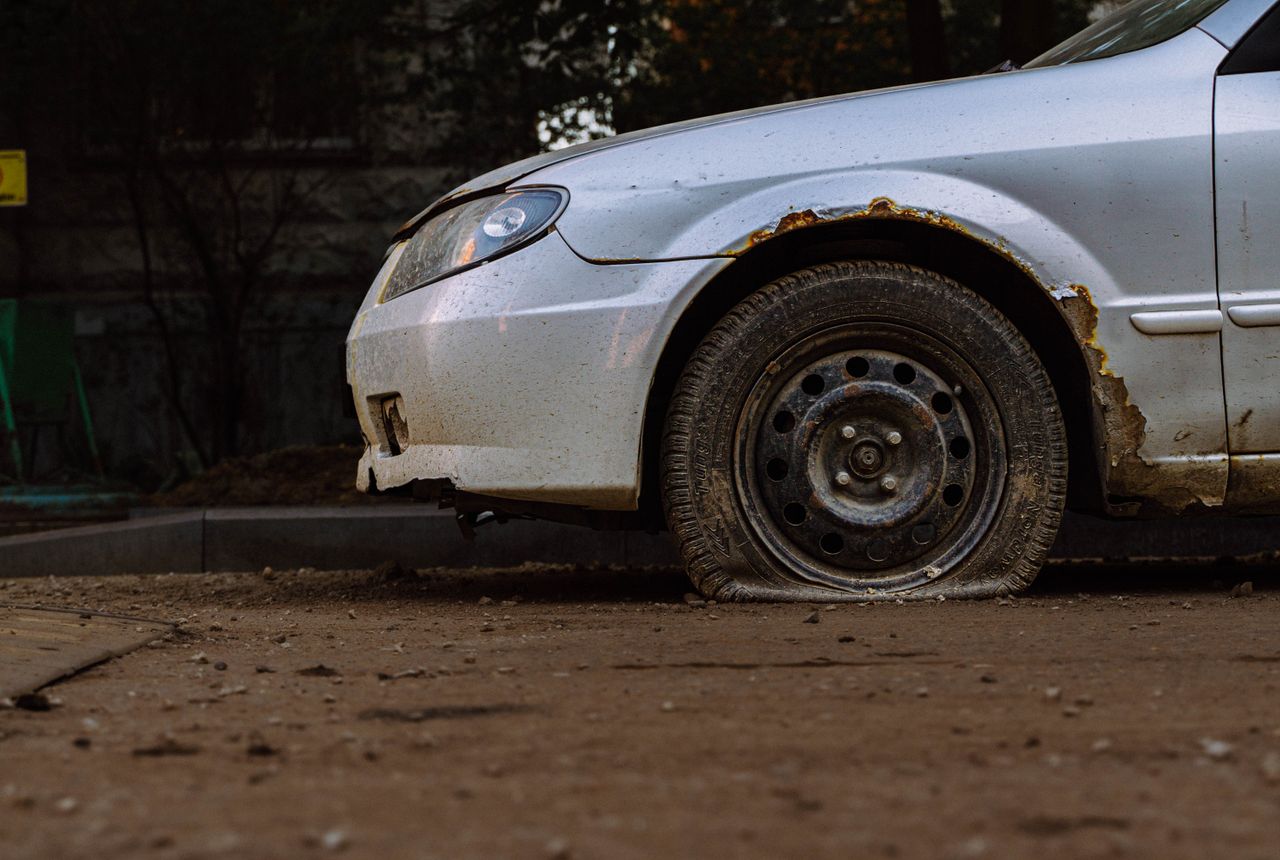
It happens in an instant. You’re driving down Deerfoot Trail, late for work, when you hear that unmistakable flapping sound. Or you walk out to your car in a Chinook Centre parking lot and find your rear tire completely deflated. Maybe you hit one of Calgary’s infamous potholes on Crowchild Trail—the City filled nearly 38,000 potholes in 2024 alone, and there are always more waiting.

Flat tires are one of the most common roadside emergencies Calgary drivers face. Between our harsh winters, aggressive freeze-thaw cycles, and road conditions that rank among the worst of major Canadian cities, it’s not a matter of if you’ll get a flat—it’s when.

The good news? You don’t have to change it yourself in the cold, in traffic, or in the dark. Our roadside tire service gets you back on the road quickly, safely, and affordably—24 hours a day, 7 days a week.

What Is Roadside Tire Service?

Roadside tire service is professional assistance for tire-related emergencies delivered directly to your location. Instead of attempting a dangerous DIY tire change on a busy highway shoulder or calling a tow truck when you don’t actually need one, a trained technician comes to you with the proper equipment and expertise.

Services Included

  • Flat tire changes — Removing your damaged tire and installing your spare
  • Tire inspection — Assessing damage to determine if repair or replacement is needed
  • Air pressure checks — Ensuring your spare is properly inflated before you drive
  • Lug nut assistance — Using professional tools to remove over-tightened or rusted lug nuts
  • Spare tire retrieval — Locating and accessing spares stored under vehicles or in unusual locations
  • Towing coordination — Arranging transport to a tire shop if no spare is available or multiple tires are damaged

The goal is simple: get you safely back on the road in the shortest time possible with minimum hassle.

Common Causes of Flat Tires in Calgary

Understanding why flat tires happen can help you prevent them—or at least recognize when you need help fast.

Road Hazards

Hazard How It Causes Flats Common Locations
Potholes Impact damage, sidewall punctures, rim damage 16th Ave NW, Crowchild Trail, Deerfoot Trail
Nails & screws Puncture tread area, cause slow leaks Construction zones, industrial areas
Glass & debris Sharp objects penetrate tire surface Accident scenes, parking lots
Curbs Sidewall damage from impact Downtown, shopping centres
Road cracks Sharp edges from deteriorating asphalt Throughout Calgary (poor road conditions)

Weather-Related Causes

Calgary’s climate is particularly hard on tires:

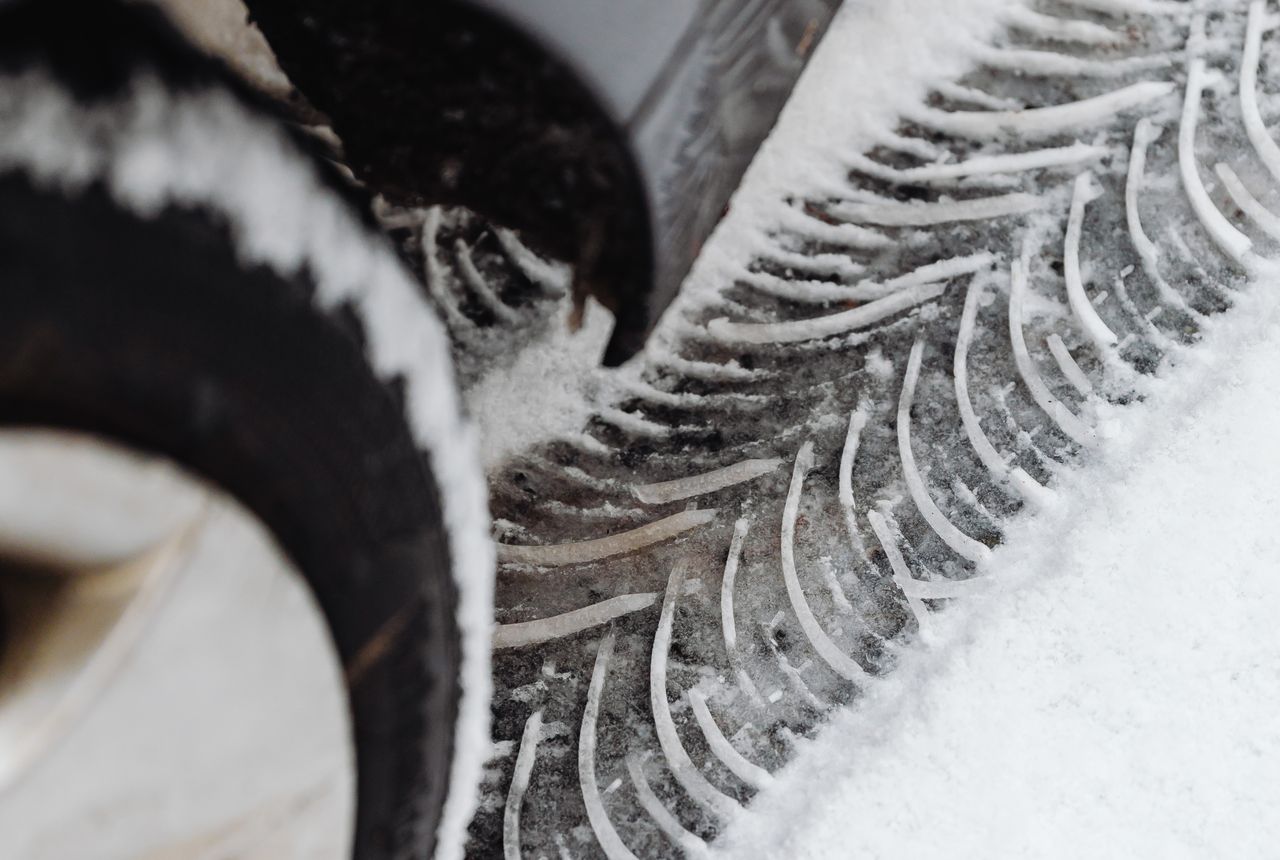
  • Freeze-thaw cycles — Temperature swings cause air pressure to fluctuate, stressing tire walls and accelerating leaks
  • Cold temperatures — Air contracts in cold weather, reducing tire pressure (tires lose about 1 PSI for every 5°C drop)
  • Hidden potholes — Snow and ice conceal road damage until impact
  • Road salt — Accelerates rubber deterioration and corrosion
  • Stiff rubber — Cold makes tire rubber less flexible, increasing vulnerability to punctures

Tire Condition Issues

  • Worn tread — Bald or low-tread tires are more susceptible to punctures
  • Underinflation — Makes sidewalls vulnerable and increases heat buildup
  • Overinflation — Creates a stiff, less shock-absorbent tire prone to blowouts
  • Age — Rubber degrades over time, even on tires with remaining tread
  • Previous damage — Old repairs or minor damage can fail over time

Why You Should Call for Help (Not DIY)

Changing a tire might seem straightforward, but roadside tire changes are genuinely dangerous—and often more difficult than people expect.

Safety Risks of DIY Tire Changes

  • Traffic exposure — Working beside moving vehicles, especially on highways like Deerfoot or Stoney Trail
  • Unstable jacking — Soft shoulders, slopes, and ice can cause vehicles to slip off jacks
  • Over-torqued lug nuts — Many shops use impact wrenches that tighten lugs beyond what a standard tire iron can remove
  • Weather conditions — Calgary’s cold, wind, and sudden weather changes make outdoor work hazardous
  • Visibility — Evening and night changes put you at risk from drivers who don’t see you
  • Physical demands — Heavy tires, awkward positions, and tight spaces cause injuries

Situations Where Professional Help Is Essential

  • Flat tire on a busy highway (Deerfoot, Stoney, Trans-Canada)
  • No spare tire or spare is also flat
  • Lug nuts won’t budge
  • Vehicle is on a slope, soft surface, or ice
  • Multiple flat tires
  • Sidewall damage or blowout (not just a slow leak)
  • You’re in an unfamiliar area or feel unsafe
  • Weather conditions are poor (snow, rain, extreme cold)
  • You’re not physically able to change the tire

Calling for roadside assistance isn’t admitting defeat—it’s making the smart, safe choice.

Tire Repair vs. Replacement: What You Need to Know

Not every flat tire needs to be replaced. Understanding when repairs are possible can save you significant money.

When Tires Can Be Repaired

Condition Repairable? Notes
Small puncture in tread (≤¼ inch) ✅ Yes Patch-plug combo is industry standard
Nail or screw in tread area ✅ Yes Most common repairable damage
Slow leak from valve stem ✅ Yes Often just needs new valve core
Sidewall puncture ❌ No Structural integrity compromised
Shoulder damage ❌ No High-stress area, unsafe to repair
Puncture larger than ¼ inch ❌ No Too large for safe seal
Multiple punctures close together ❌ No Weakens structural integrity
Run-flat damage (driven on flat) ❌ Usually no Internal damage often invisible
Worn tread (≤2/32 inch) ❌ No Not worth repairing—replace tire

Repair Methods Explained

Tire Plug: A sticky rubber strip inserted from outside the tire. Quick and cheap ($10-20) but considered a temporary fix. Not recommended as a permanent solution by the U.S. Tire Manufacturers Association.

Tire Patch: Applied from inside the tire after removing it from the rim. More durable than a plug alone. Costs $20-50 at most shops.

Patch-Plug Combo: The industry-standard repair. Combines internal patch with external plug for a permanent seal. This is what reputable tire shops use.

Typical Tire Service Costs

Service Typical Cost
Roadside flat tire change (with your spare) $60 – $90
Tire plug (temporary) $10 – $25
Tire patch (shop repair) $20 – $50
Patch-plug combo (permanent repair) $30 – $60
New tire installation (varies by tire) $100 – $300+
Tow to tire shop (if needed) $85 – $150

Costs vary based on location, time of day, and vehicle type. Call (587) 885-2326 for an accurate quote.

What to Do When You Get a Flat Tire

Follow these steps to stay safe and get help quickly:

Step 1: Get Off the Road Safely

  1. Don’t brake suddenly—gradually slow down
  2. Turn on your hazard lights immediately
  3. Pull as far off the road as possible (right shoulder, parking lot, side street)
  4. If on a highway, try to reach an exit or wide shoulder—don’t stop in a lane
  5. Put the vehicle in Park and engage the parking brake

Step 2: Assess the Situation

  1. Stay in your vehicle if traffic is heavy or you feel unsafe
  2. If safe, exit from the side away from traffic
  3. Identify which tire is flat
  4. Look for obvious damage (nail, gash, blowout)
  5. Check if you have a spare tire and it’s inflated

Step 3: Call for Help

Call (587) 885-2326 for roadside tire service. Be ready to provide:

  • Your exact location (address, intersection, or highway marker)
  • Vehicle make, model, and colour
  • Which tire is flat
  • Whether you have a spare tire
  • Your phone number for updates

Step 4: Stay Safe While Waiting

  • Remain inside your vehicle with seatbelt on if on a highway
  • Keep hazard lights on
  • Set up reflective triangles or flares if you have them (50-100 feet behind vehicle)
  • If you must exit, stand well away from traffic
  • Never stand between your vehicle and oncoming traffic

Vehicles We Service

Our roadside tire service handles virtually every passenger and light commercial vehicle:

Passenger Vehicles

  • Sedans and coupes
  • SUVs and crossovers
  • Hatchbacks
  • Minivans
  • Pickup trucks
  • Sports cars
  • Luxury vehicles

Commercial & Specialty Vehicles

  • Cargo vans (Sprinter, Transit, ProMaster)
  • Service vehicles
  • Light-duty trucks
  • Fleet vehicles
  • Motorcycles (with motorcycle towing if needed)

Vehicles Requiring Towing Instead

Some situations require towing rather than roadside tire service:

  • Heavy-duty trucks and commercial vehicles — see our heavy towing service
  • Vehicles with multiple flat tires
  • Vehicles without spare tires and no quick repair option
  • Vehicles with wheel or suspension damage from blowouts

Service Areas in Calgary

We provide roadside tire service throughout Calgary and surrounding communities:

Calgary Coverage

  • Downtown & Beltline — Including 17th Ave, Stephen Avenue, East Village
  • Northwest Calgary — Crowfoot, Tuscany, University District, Bowness
  • Northeast Calgary — Airport area, Sunridge, Marlborough, Saddleridge
  • Southwest Calgary — Marda Loop, Mount Royal, Glenmore, Woodbine
  • Southeast Calgary — Mahogany, Auburn Bay, Quarry Park, Douglasdale

Major Routes We Cover

  • Deerfoot Trail (entire length)
  • Stoney Trail
  • Crowchild Trail
  • 16th Avenue (Trans-Canada)
  • Glenmore Trail
  • Macleod Trail
  • Blackfoot Trail

Surrounding Communities

  • Airdrie
  • Cochrane
  • Chestermere
  • Okotoks
  • Strathmore
  • High River
  • Rocky View County

When Tire Issues Lead to Towing

Sometimes a flat tire is just the beginning of the problem. If your vehicle needs more than a tire change, we provide seamless transition to towing services:

  • No spare available — We’ll tow you to the nearest tire shop
  • Rim damage — Pothole impacts can bend or crack rims
  • Suspension damage — Driving on a flat can damage struts, axles, and alignment
  • Multiple flats — Sometimes one incident damages more than one tire

Our flatbed towing service can transport your vehicle safely when tire service alone isn’t enough.

Preventing Flat Tires: Tips for Calgary Drivers

While you can’t prevent every flat, these practices reduce your risk:

Regular Maintenance

  • Check tire pressure monthly — Use a gauge, don’t trust visual inspection. Check when tires are cold. Proper PSI is on the door jamb sticker.
  • Inspect tread depth — Use the penny test or tread wear indicators. Replace at 2/32 inch.
  • Rotate tires every 8,000-10,000 km — Ensures even wear across all tires.
  • Check valve stems — Cracked or corroded stems cause slow leaks.
  • Look for damage — Bulges, cracks, or embedded objects need attention.

Driving Practices

  • Avoid potholes when safe — Calgary has thousands; watch the road ahead.
  • Slow down for rough roads — Speed increases impact damage.
  • Avoid debris — Steer around glass, metal, and road debris when possible.
  • Don’t overload your vehicle — Excess weight stresses tires.
  • Watch for construction zones — Nails and screws are common hazards.

Seasonal Considerations

  • Use winter tires — Better flexibility in cold, designed for Calgary conditions.
  • Check pressure more often in winter — Temperature drops cause pressure loss.
  • Avoid water-filled potholes — They hide depth and debris.
  • Keep your spare maintained — Check it periodically; it won’t help if it’s flat too.

Frequently Asked Questions

How long does roadside tire service take in Calgary?

Typical response time is 20-30 minutes depending on your location and traffic conditions. Once we arrive, a flat tire change usually takes 10-15 minutes. Total time from your call to driving away is typically under 45 minutes.

What if I don’t have a spare tire?

Many newer vehicles come without spare tires. If you don’t have a spare, our technician will assess the damage. Minor punctures may be temporarily plugged to get you to a tire shop. If the tire can’t be made drivable, we’ll tow your vehicle to the nearest tire shop or your preferred location.

Is roadside tire service available 24/7?

Yes, our roadside tire service operates 24 hours a day, 7 days a week, including holidays and weekends. Flat tires don’t wait for business hours, and neither do we. Call (587) 885-2326 anytime.

Can you fix my flat tire on the spot?

Roadside tire service focuses on changing your flat with your spare tire, not permanent repairs. Proper tire repair (patch-plug combo) requires removing the tire from the rim and inspecting the interior, which is done at a tire shop. We can get you mobile so you can drive to a shop for permanent repair.

How much does roadside tire change cost in Calgary?

Roadside flat tire change typically costs $60-$90 in Calgary, depending on your location, time of day, and vehicle type. We provide upfront quotes over the phone before dispatching so you know exactly what to expect—no surprise charges.

What should I do if my tire blows out while driving?

Don’t panic or brake suddenly. Grip the steering wheel firmly, gradually ease off the accelerator, and let the vehicle slow naturally. Turn on hazard lights, carefully steer to the right shoulder or nearest safe area, and stop completely. Engage parking brake, then call for help. Do not attempt to change a tire on a busy highway—wait for professional assistance.

Can I drive on a flat tire to get off the highway?

You can drive very slowly (under 25 km/h) for a very short distance to reach a safer location—but understand this will likely damage the tire beyond repair and may damage your wheel rim. If you’re in a dangerous spot, slowly move to safety. Otherwise, stop immediately to preserve your tire and avoid additional repair costs.

Do you service commercial vehicles and work trucks?

Yes, we service light commercial vehicles including cargo vans, service trucks, and fleet vehicles. For heavy-duty trucks or commercial vehicles with larger tires, specialized equipment may be needed. Contact us to discuss your specific vehicle and situation.

What if I have a flat tire but my lug nuts are too tight?

This is one of the most common reasons people call for help. Many tire shops use impact wrenches that over-torque lug nuts beyond what a standard tire iron can loosen. Our technicians carry professional tools that can remove even the most stubborn lug nuts safely without damaging your studs or wheels.

Can a tire damaged by a pothole be repaired?

It depends on the damage location and severity. Pothole damage often affects the sidewall or causes internal damage that isn’t visible externally—both of which require tire replacement. Potholes can also damage rims and wheels. A tire shop inspection is needed to determine if repair is possible or replacement is required.

Get Help Now—Call for Roadside Tire Service

Flat tire? Don’t risk changing it yourself on the side of a busy Calgary road. Our trained technicians come to you with the right equipment, get your spare installed quickly and safely, and have you back on your way in minutes.

Call (587) 885-2326 for fast, professional roadside tire service anywhere in Calgary and surrounding areas. Available 24/7, every day of the year.

Stuck somewhere else? We also provide complete roadside assistance including battery boosts, lockout service, and fuel delivery.

Note: All prices mentioned in this article are provided for general reference and informational purposes only. These prices are not fixed and may vary depending on facts, market conditions, location, time, availability, or other relevant factors. Actual prices may change without prior notice. Readers are advised to verify details independently before making any decisions.